


Sustainable product design with rotomoulding
How does rotational moulding support sustainable product design, particularly in terms of material efficiency, recyclability, and lifecycle considerations?
Rotational moulding aligns naturally with sustainable design strategies due to its low-waste process, use of recyclable materials and ability to create durable, long-lasting components. The method supports circular product development by minimising material consumption, extending product lifespan and enabling closed-loop recycling. For designers and brands focused on environmental performance, rotomoulding provides a strong foundation for creating efficient, responsible and high-quality solutions.
You can read more about rotomoulding and sustainability in our blog about sustainable and environmentally friendly production.
Material efficiency through low-waste processing
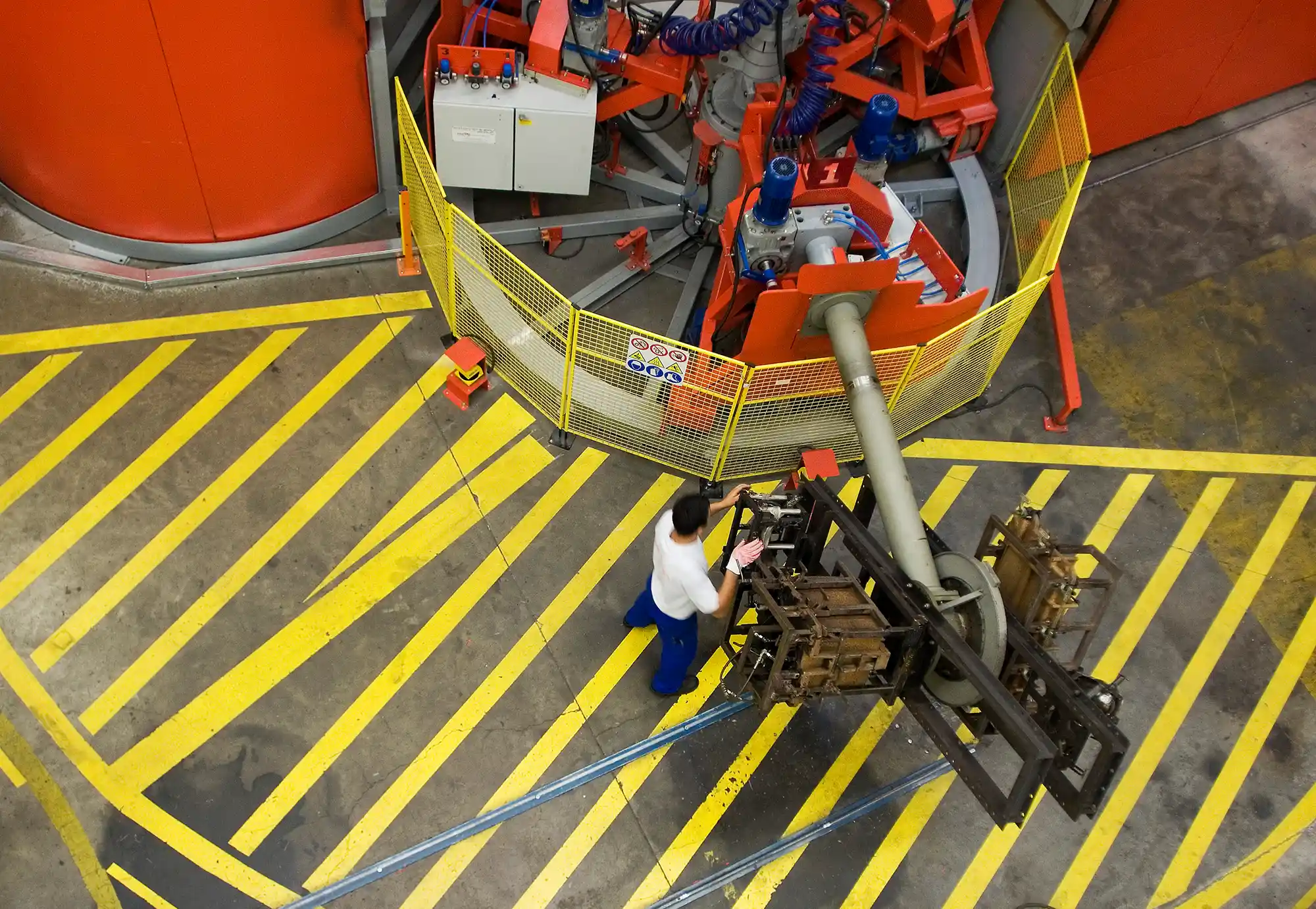
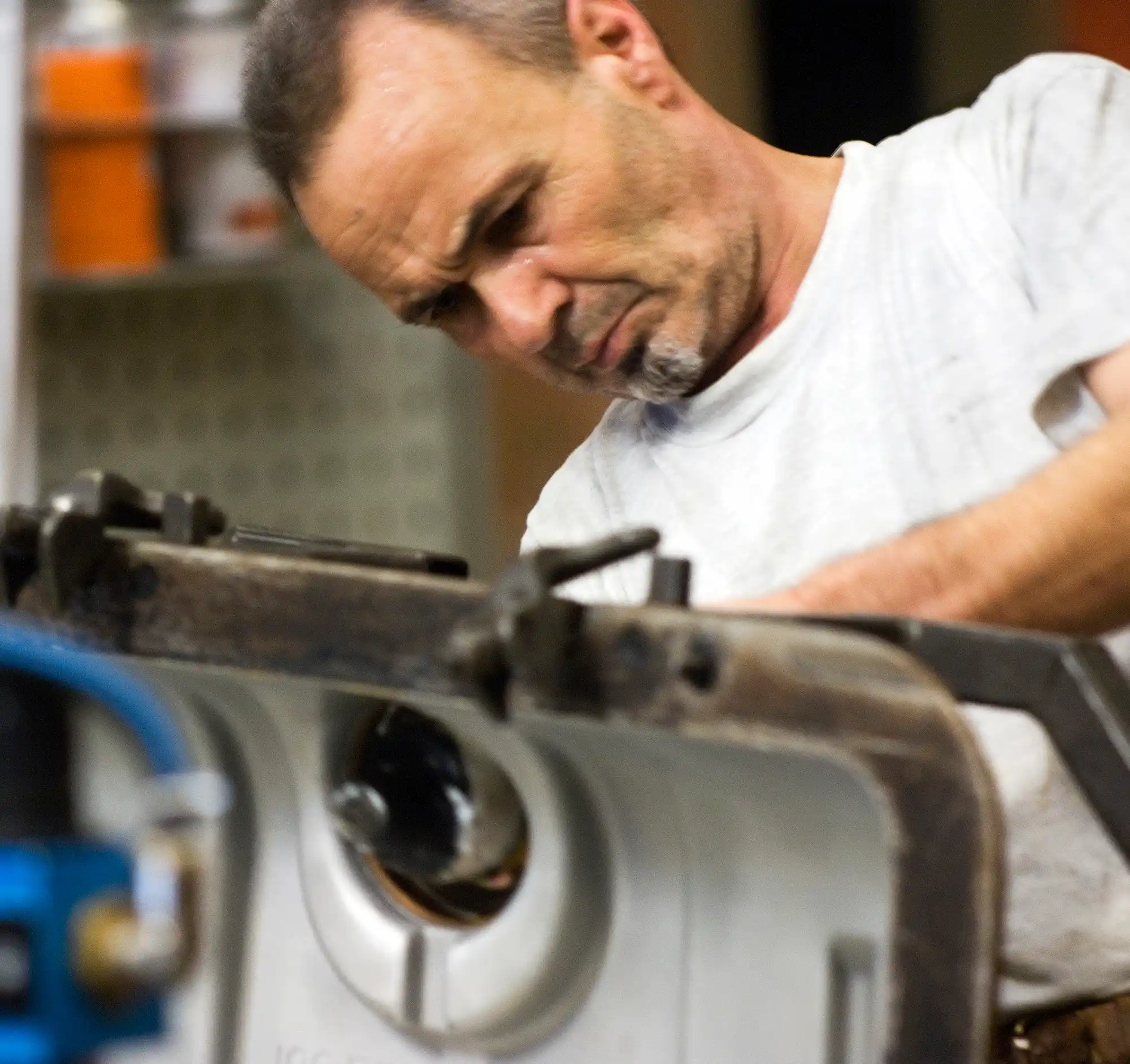
Rotomoulding is an almost entirely additive manufacturing method: polymer powder is placed inside the mould and all of it becomes part of the final component. Unlike injection moulding, which creates sprues, runners and trimming waste, rotomoulding uses only what is required.
This efficiency is especially valuable for large or hollow components, where traditional processes generate significant scrap. Designers can precisely calculate material quantities based on desired wall thickness and geometry, ensuring controlled resource use without compromising performance. Rotovia’s custom moulding capability further supports this by helping clients evaluate the optimal balance between strength, weight and environmental impact.
Recyclable materials and closed-loop design opportunities
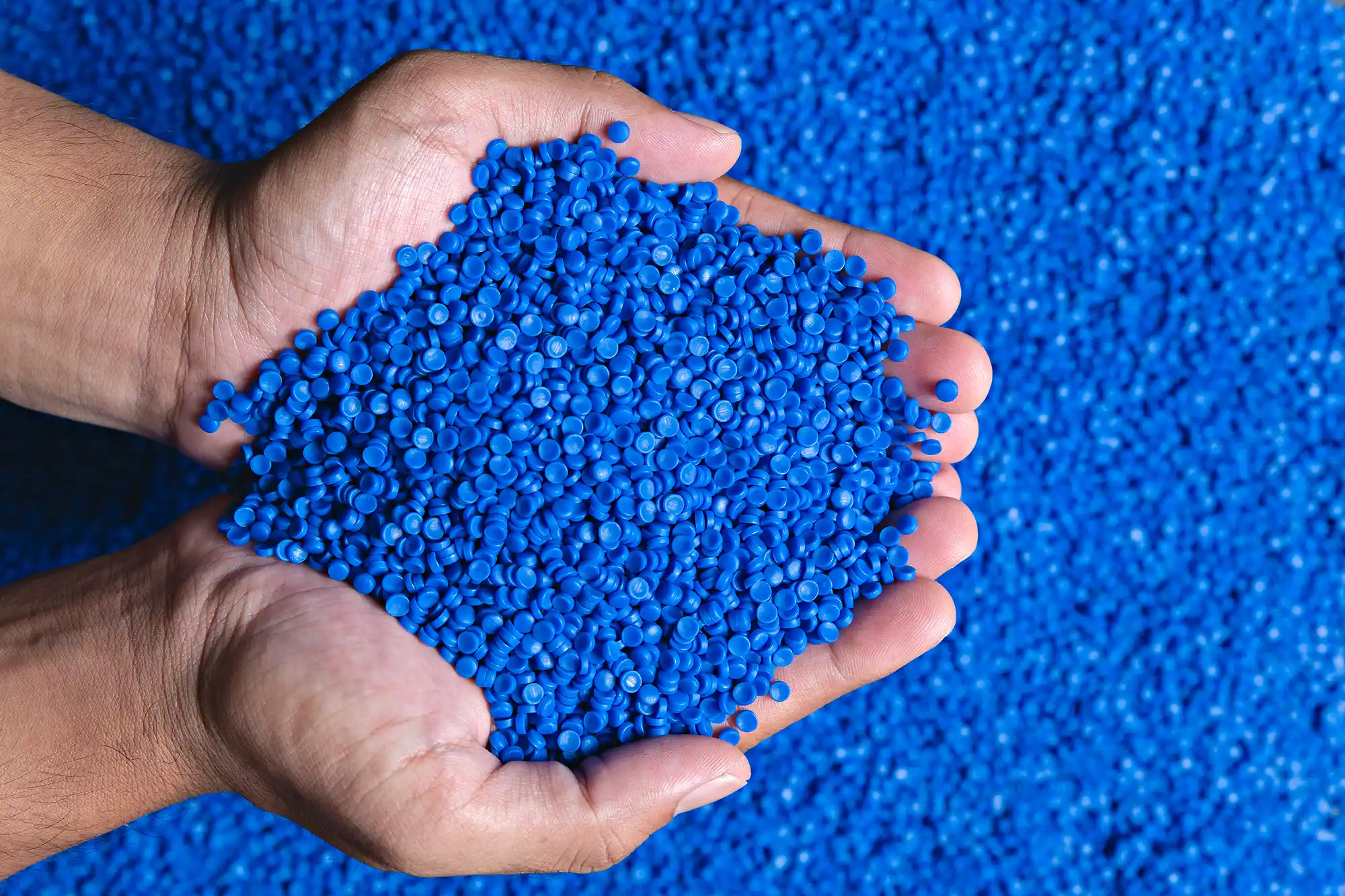
Rotomoulding primarily uses polyethylene (HDPE and LLDPE) — materials that are widely recyclable, durable and stable under outdoor conditions. At the end of their lifecycle, rotomoulded products can be shredded, reprocessed and reused to manufacture new components, making the technology well aligned with circular economy principles.
For customers prioritising environmental responsibility, this recyclability offers clear advantages: reduced landfill waste, a lower carbon footprint and the possibility to integrate reprocessed material into future product generations. Rotovia works with customers to evaluate which applications are suitable for recycled grades while ensuring consistent mechanical properties and long-term reliability.
Designing for longevity and lifecycle performance
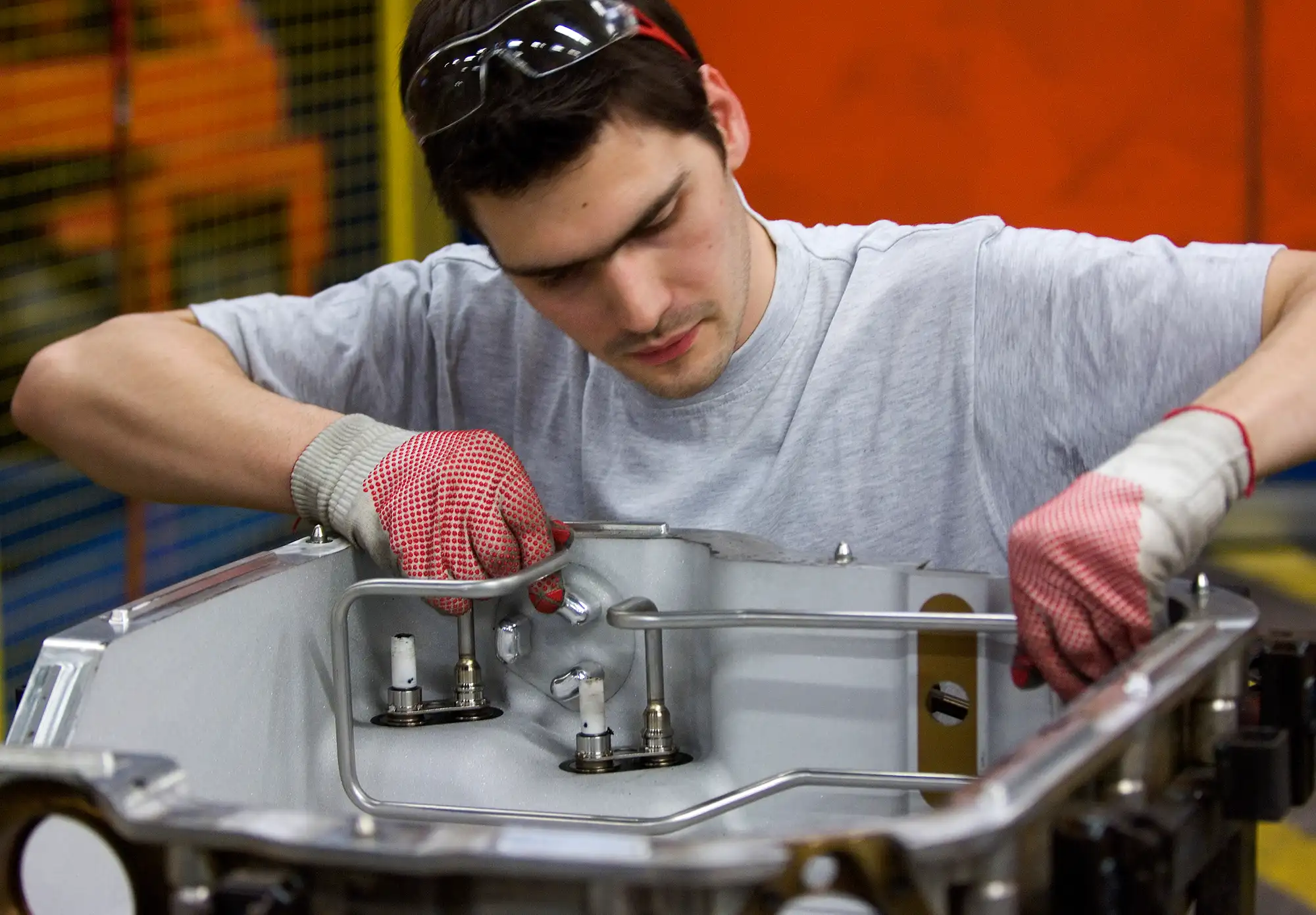
Durability is one of the strongest sustainability attributes of rotomoulded products. Hollow, seamless construction eliminates weak points such as welds or joints, reducing the risk of leaks, cracking or failure during use. Combined with the material’s inherent impact resistance and optional UV stabilisation, rotomoulded components maintain structural performance for many years, even in challenging outdoor environments.
By designing for long service life, manufacturers reduce the frequency of replacements, lowering environmental impact across the product lifecycle. Rotovia’s engineering team supports this approach by helping customers optimise geometry, wall thickness and material choice to achieve maximum product lifespan while minimising overall resource consumption.
Enhancing sustainability through thoughtful engineering
Sustainable design in rotomoulding involves combining smart geometry, appropriate materials and efficient processing. Designers can improve environmental performance by incorporating lightweight structures, double-walled sections or ribbing that reduces polymer usage without sacrificing strength.
Aesthetic and functional features, such as textures, branding, colours or mounting points – can be formed directly in the mould, eliminating secondary finishing steps that generate waste or require additional energy. This integrated approach allows companies to create sustainable, visually compelling and technically robust products that support modern environmental targets. The possibilities of rotomoulding are endless.

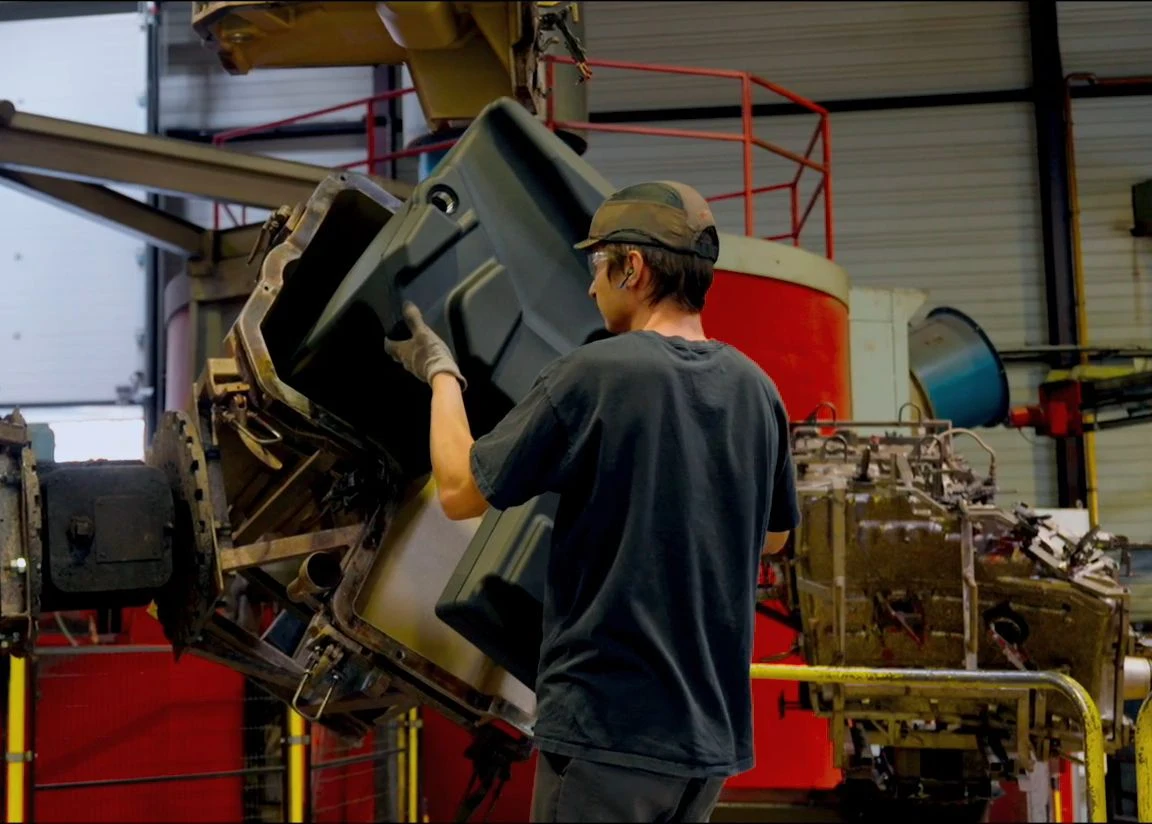
Rotovia – your partner in sustainable custom moulding solutions
At Rotovia, sustainability is built into every stage of our custom moulding process. We work closely with customers to evaluate materials, optimise wall thickness and engineer geometries that reduce resource use while maintaining long-term performance. Our experience with recyclable polyethylene grades and closed-loop design principles allows us to develop durable, low-waste components that support modern environmental goals without compromising technical requirements. Whether the objective is to improve material efficiency, extend product lifespan or integrate recycled content, Rotovia provides the design expertise and manufacturing capability needed to create high-quality, sustainable rotomoulded products.
Contact our team to explore how Rotovia’s custom moulding expertise can support your sustainable product development goals.
FAQ
How does rotomoulding minimise material waste?
Rotomoulding is inherently low-waste because the polymer powder used in the mould becomes part of the final product. There are no runners, sprues or high-pressure trimming scraps typically found in injection moulding. Designers can match material quantities to wall thickness requirements, resulting in efficient, predictable resource use and minimal waste throughout production.
Are rotomoulded products fully recyclable?
Yes, rotomoulded products are fully recyclable. Rotomoulding commonly uses polyethylene (HDPE or LLDPE), which is easily recyclable. End-of-life products can be shredded and reprocessed into new rotomoulded components, supporting circular manufacturing. This process reduces the need for virgin material and helps customers meet sustainability goals without compromising durability or performance.
What makes rotomoulded components more durable and sustainable over time?
Rotomoulded parts are produced as a single, seamless structure, eliminating weak points such as welds or glued joints. The slow heating and cooling process results in low internal stress and excellent impact resistance. With UV-stabilised material options, products remain strong, stable and visually consistent even after long-term outdoor exposure. Their longevity significantly reduces replacement frequency, lowering the environmental footprint across the entire lifecycle.
Can recycled materials be used in rotomoulding without affecting product performance?
Yes, in many applications. Recycled polyethylene can deliver reliable mechanical properties when used appropriately. Rotovia works with customers to determine where recycled grades are suitable, evaluating factors such as load requirements, environmental exposure and impact performance. This ensures the final product is both sustainable and technically robust.
How does design influence sustainability in rotomoulding?
Design has a major impact on material use and environmental footprint. Features such as ribbing, domed surfaces, hollow sections or lightweight geometries reduce material consumption while maintaining strength. By embedding textures, colours and functional details directly into the mould, designers eliminate secondary processing, lowering waste and energy use.
your idea
to life. Start now!
