


How does rotomoulding align with eco-friendly manufacturing?
Rotomoulding represents one of the most sustainable manufacturing technologies in the plastics industry. The process is optimised to minimise waste, extend product lifespan and support circular material use, helping manufacturers reduce their overall environmental footprint. For companies pursuing long-term sustainability goals, it combines performance, durability and responsibility in a single production method.
What makes rotomoulding an environmentally responsible process?
- Minimal material waste – unlike high-pressure processes such as injection moulding, rotomoulding produces virtually no sprues or runners. Almost all of the polymer powder placed in the mould is used, keeping scrap levels extremely low.
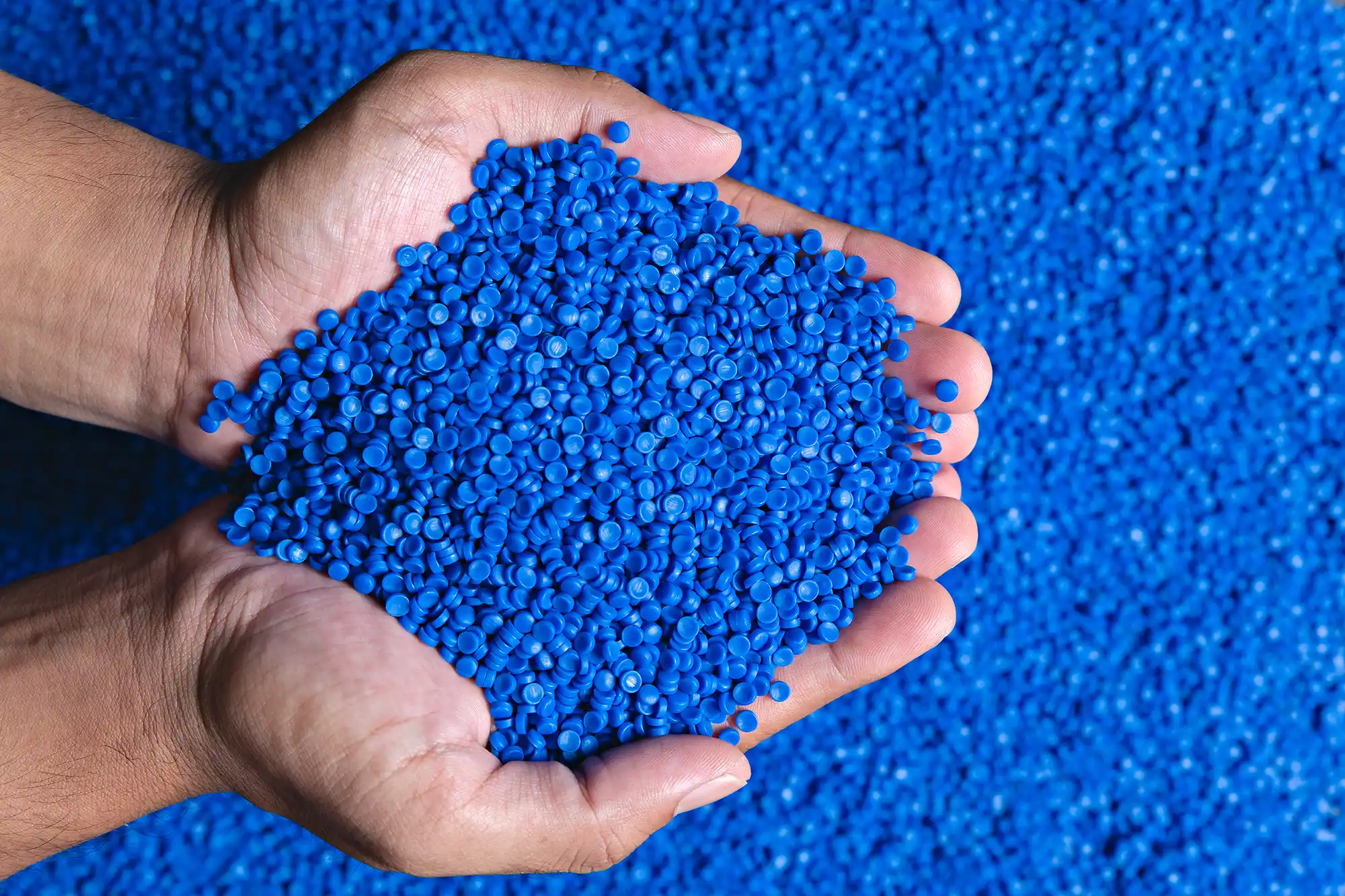
- Recyclable and reusable plastics – rotomoulding relies primarily on polyethylene (HDPE or LLDPE), which is widely recyclable. End-of-life products can be shredded, reprocessed and transformed into new parts without compromising quality.
- Durability reduces impact – by producing long-lasting, impact-resistant components, rotomoulding limits the need for frequent replacements. This conserves raw materials and reduces the total carbon footprint over a product’s lifecycle.
- Energy-efficient tooling – the production of rotomoulding tools requires less energy than injection moulds, and the low-pressure process consumes less power when creating large hollow parts.
These advantages make rotomoulding a clear choice for businesses seeking both performance and sustainability.
Designing for sustainability and long product life
Rotovia’s design philosophy emphasises the connection between smart engineering and environmental responsibility. Each product is optimised for lightweight performance, reduced material use and recyclability. During the design phase, our engineers evaluate wall thickness, part geometry and material grades to maximise both durability and energy efficiency.
By extending product life and simplifying end-of-life recycling, Rotovia contributes to a more circular economy, where resources are preserved and waste is minimised.

Sustainable innovation in practice
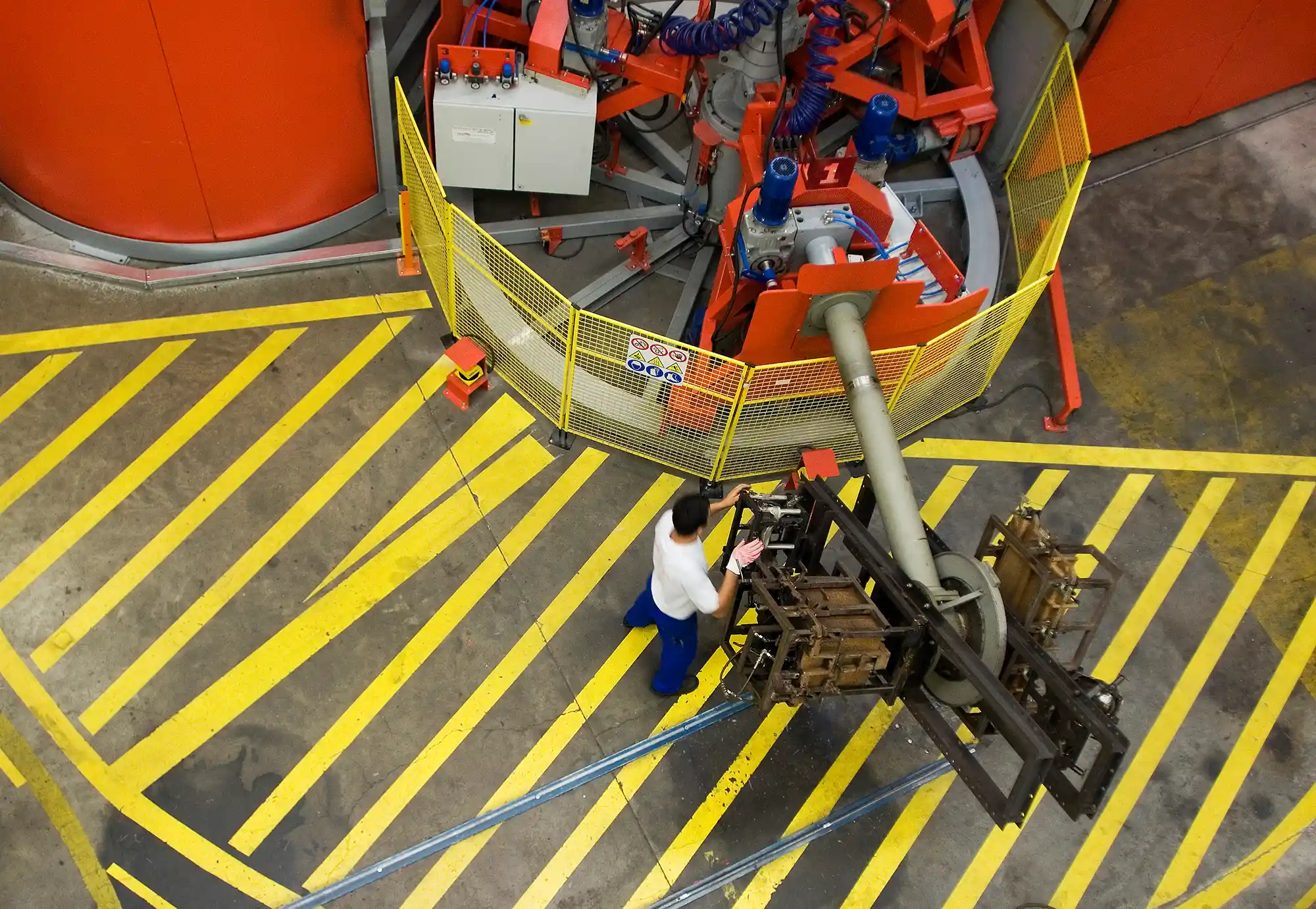
Sustainability at Rotovia also means continuous improvement. We constantly evaluate our materials, processes and energy use to enhance production efficiency. Our facilities implement energy-saving practices and recycling programmes to reduce emissions and material loss. Within the Custom Moulding Business, process optimisation and material recovery initiatives have reduced production waste by 12 % since 2022. Continuous upgrades of rotational moulding ovens and temperature control systems have further improved energy efficiency during large-part manufacturing. This commitment allows us to deliver rotomoulded solutions that meet strict quality standards while aligning with global environmental goals.
Integrating sustainability into every stage of rotomoulding
At Rotovia, sustainability is integrated into every stage of design and production. With facilities in Europe and North America, we focus on creating plastic components that are durable, recyclable and produced with minimal waste. Our teams work with high-quality polyethylene materials, ensuring excellent mechanical properties and a lower environmental footprint. In custom moulding operations, the use of recycled and bio-based polyethylene is gradually increasing, particularly for components produced for renewable energy and leisure applications. These materials offer the same durability as standard grades while significantly reducing resource consumption.
Rotovia supports customers across industries such as agriculture, renewable energy, vehicles, construction, leisure and defence, where eco-efficiency and reliability are key. By combining innovative engineering with responsible manufacturing, we help companies meet their sustainability targets without compromising product performance. Contact our team to learn more about how Rotovia’s sustainable rotomoulding solutions can support your environmental goals.
FAQ
What makes rotomoulding more sustainable than other plastic manufacturing methods?
Rotomoulding generates minimal waste, uses recyclable polyethylene and requires lower tooling energy compared to injection moulding. Its long-lasting, one-piece products reduce resource consumption throughout their lifecycle.
Can rotomoulded products be made entirely from recycled material?
Yes. Many rotomoulded parts can be produced using post-consumer or reprocessed polyethylene. The material maintains its structural integrity, making recycled components both durable and cost-effective.
How does rotomoulding contribute to a circular economy?
By enabling product recyclability, reusability and long lifespan, rotomoulding supports circular manufacturing principles. End-of-life parts can be shredded and reused to create new components, minimising waste and extending material value.
Does sustainable manufacturing affect product performance?
Not at all. Rotovia’s sustainable approach ensures that environmental responsibility goes hand in hand with technical excellence. Our products retain high impact resistance, stability and longevity, even when made with recycled or bio-based materials. Rotomoulding improves long-term durability and performance.
your idea
to life. Start now!
