


Production lead times in rotomoulding
From a supply chain and manufacturing lead-time perspective, what are the typical production times for rotomolded components, and how do these compare to other manufacturing processes?
Production lead times in rotational moulding depend on several factors, including part size, wall thickness, material type and the number of moulds available. While individual cycle times are generally longer than in high-pressure processes, rotomoulding offers advantages in tooling simplicity, production flexibility and scalability. From a supply chain perspective, understanding these characteristics helps procurement and planning teams align production schedules with project timelines and volume requirements.
Cycle times and their impact on production planning
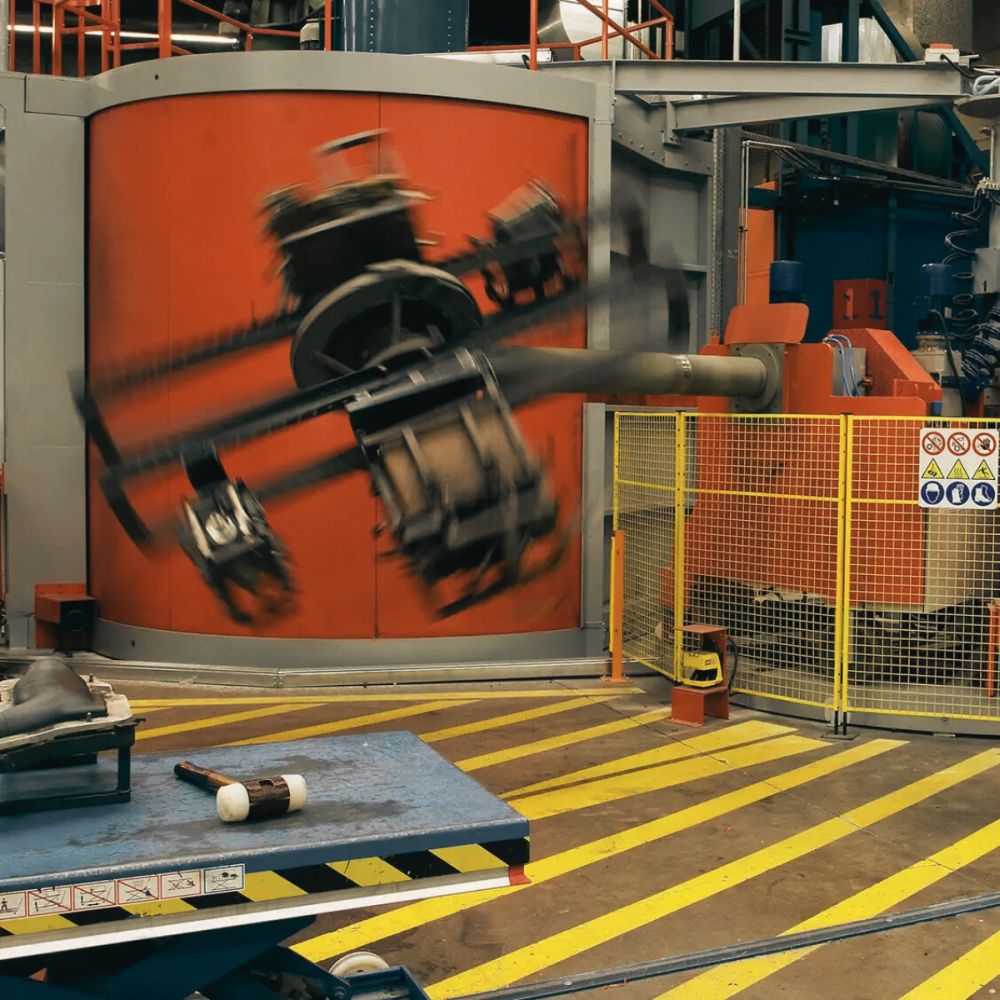
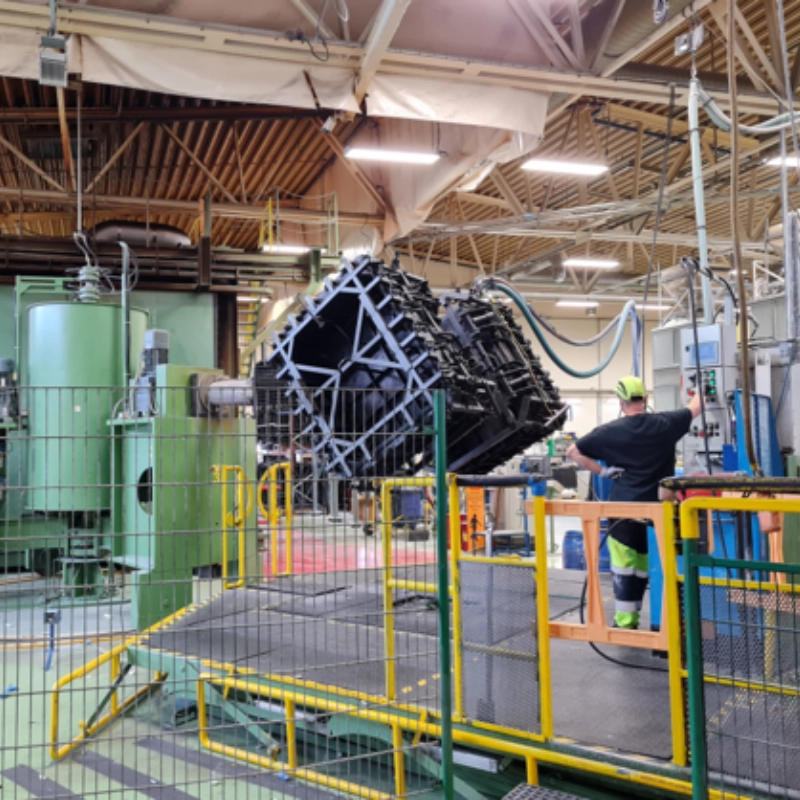
In rotomoulding, cycle time is largely influenced by the thermal process required to evenly coat the mould interior. Smaller components typically complete a full heating and cooling cycle faster, while large industrial tanks or structural components require longer cycles due to increased mass and wall thickness.
Although these cycle times are longer than those of injection moulding for small parts, they remain predictable and consistent once process parameters are defined. This predictability supports reliable production planning, especially for large, hollow components that would require complex tooling or multi-part assembly using other manufacturing methods. Want to also know more about cost-efficiency in rotomoulding. Read our article ‘Rotomoulding – a cost-efficient solution for low-to-medium production volumes’.
Tooling simplicity and setup efficiency
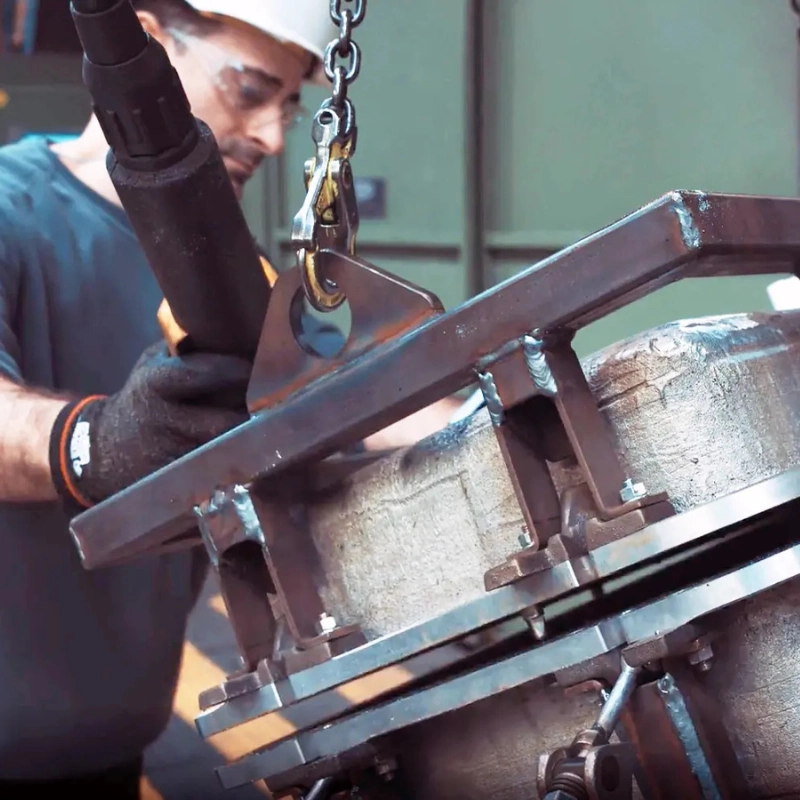
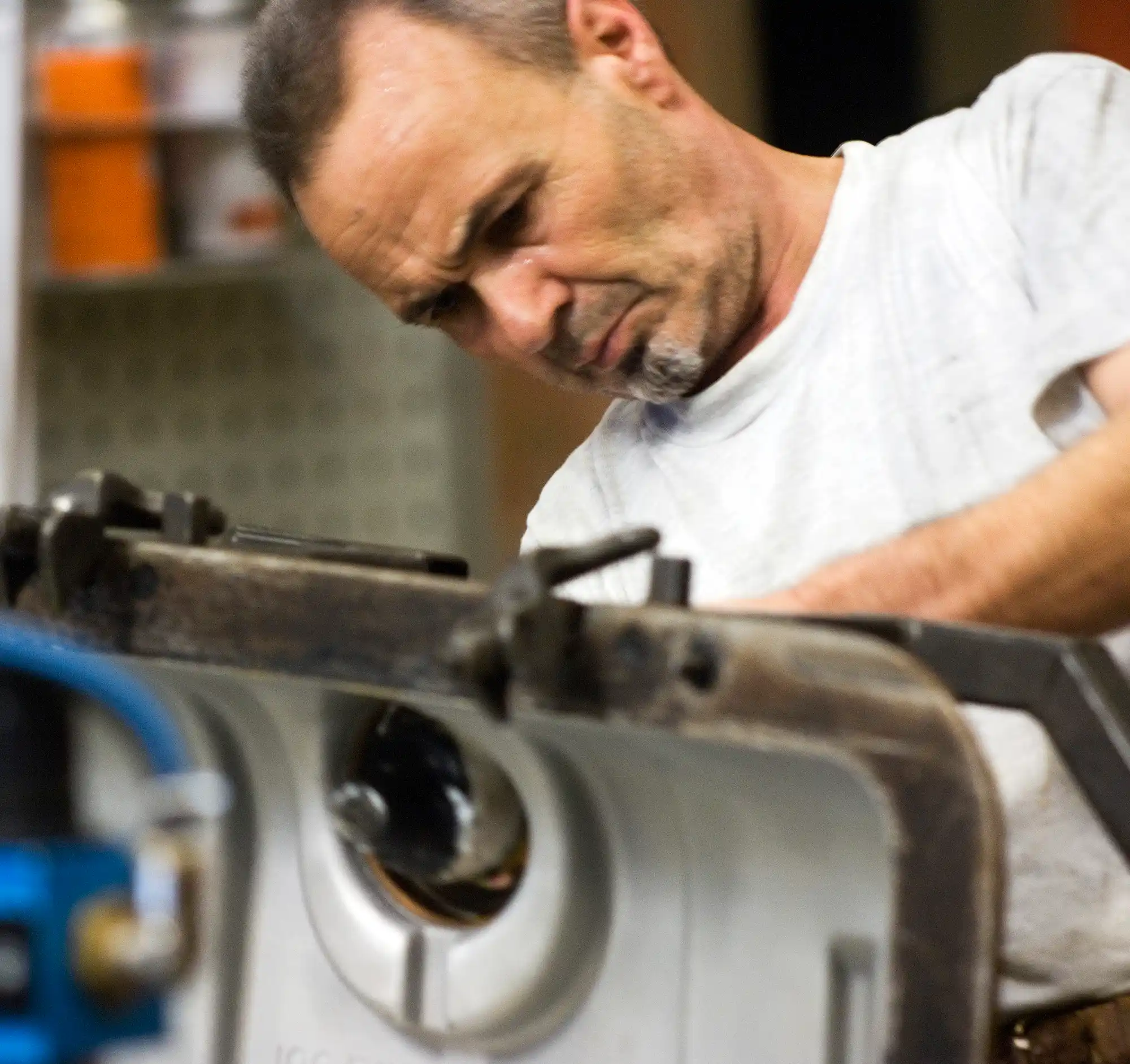
One of the key contributors to shorter overall lead times in rotomoulding is tooling simplicity. Rotomoulding moulds do not need to withstand high injection pressures, which makes them easier to manufacture, modify and change over. As a result, setup times for new tools or design updates are generally shorter compared to injection moulding, where extensive calibration and validation are required.
This flexibility allows manufacturers to respond more quickly to design changes or revised order volumes, reducing delays in the early stages of production and supporting agile supply chain management.
Balancing throughput, volume and process selection
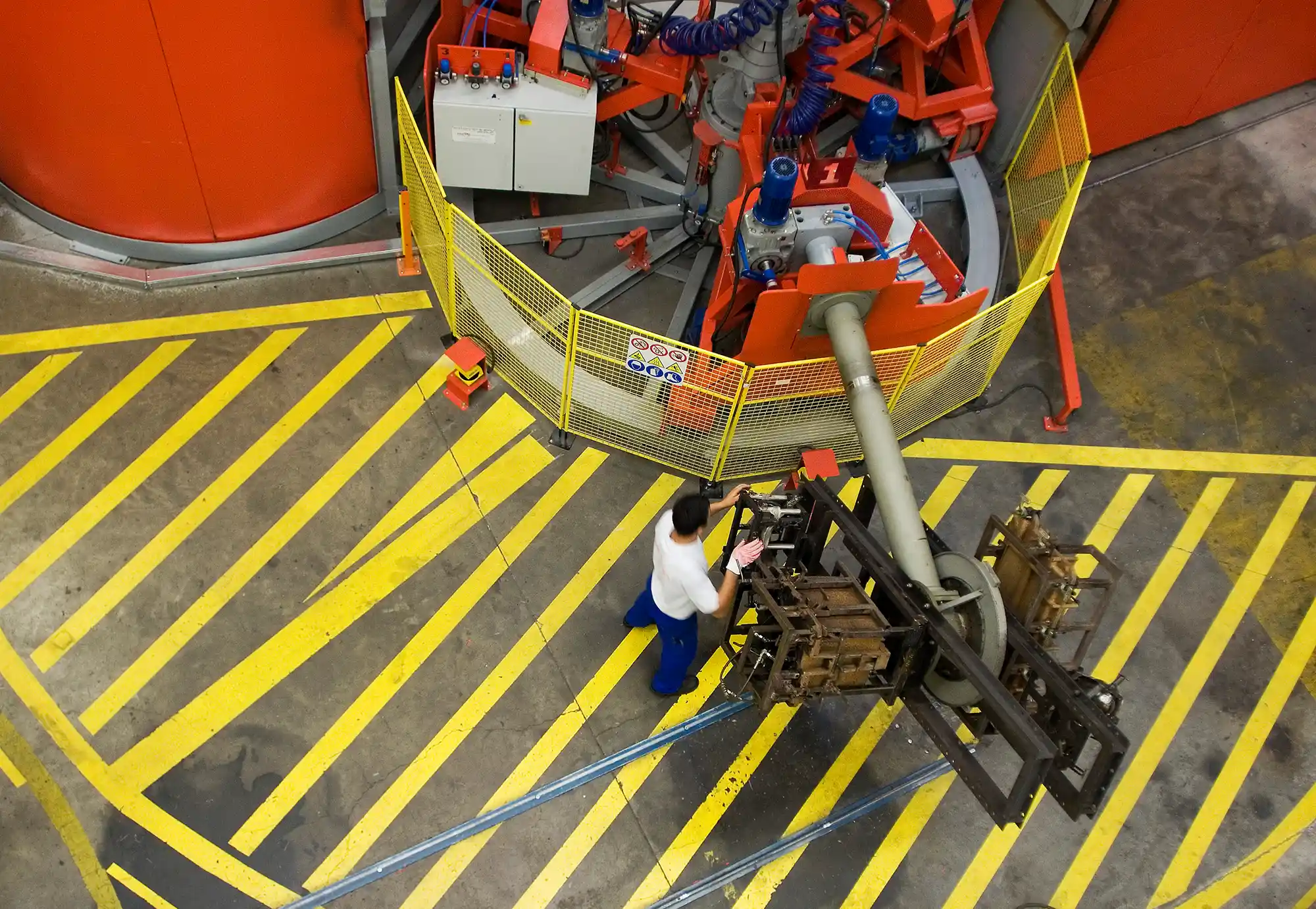
From a supply chain perspective, selecting the right manufacturing process depends on volume, part size and production stability. Rotomoulding is particularly well suited for medium-volume production of large or complex hollow components, where flexibility and adaptability are critical. The process also allows multiple moulds to operate in parallel, enabling output to scale without major changes to tooling strategy.
Key factors influencing lead time include:
- Part size and wall thickness, which directly affect cycle duration
- Number of moulds in operation, determining parallel production capacity
- Frequency of design changes, where rotomoulding offers faster response
For very high-volume production of small, thin-walled parts, injection moulding may offer shorter individual cycle times. However, for larger components requiring durability and seamless construction, rotomoulding provides a balanced combination of predictable lead times and manufacturing flexibility.
Rotovia – manufacturer of custom rotomoulded components
Rotovia is an international manufacturer of plastic products with production facilities in Europe and North America, supporting customers both locally and globally. The company specialises in custom moulding, focusing on the design and manufacture of rotomoulded components tailored to specific customer requirements. We work closely with customers throughout the project to support design development and production planning, helping align manufacturing timelines with application and supply chain needs. Rotovia serves industries such as agriculture, renewable energy, vehicles, construction, leisure and defence, delivering lightweight and durable components designed for long service life. Contact our team to discuss the best solutions for your custom rotomoulded components.
FAQ
What factors most strongly influence rotomoulding production time?
Production time is influenced primarily by part size, wall thickness and the thermal cycle required for heating and cooling. Larger and thicker components require longer cycles, while smaller parts can be produced more quickly. The number of moulds in operation also plays a key role in overall output capacity.
How does rotomoulding compare to injection moulding in terms of lead time?
Injection moulding typically offers much shorter cycle times for small, high-volume parts, but requires complex tooling and longer setup phases. Rotomoulding has longer individual cycles but benefits from simpler tooling, faster mould changes and greater flexibility for medium-volume production of large components.
Can rotomoulding production be scaled to meet higher demand?
Yes. Output can be increased by running multiple moulds simultaneously or adding additional moulds to the production setup. This allows capacity to scale without fundamentally changing the process or tooling approach, supporting responsive supply chain planning.
How do design changes affect production lead times?
Design changes can often be implemented more quickly in rotomoulding because moulds are simpler and easier to modify. This reduces downtime associated with tool rework and allows production to resume faster compared to high-pressure moulding processes.
Is rotomoulding suitable for time-sensitive projects?
Rotomoulding is well suited for projects that require predictable lead times, medium production volumes and flexibility for adjustments. While it may not match the cycle speed of injection moulding for very high volumes, its reliability and adaptability make it a strong option for complex or large-scale components.
your idea
to life. Start now!
