


How does rotomoulding help reduce production costs for low-to-medium volume runs?
Rotational moulding is the ideal process for low-to-medium production volumes, offering manufacturers a cost-efficient and flexible alternative to high-volume moulding methods. The process provides multiple advantages that significantly reduce overall production expenses while maintaining consistent product quality.
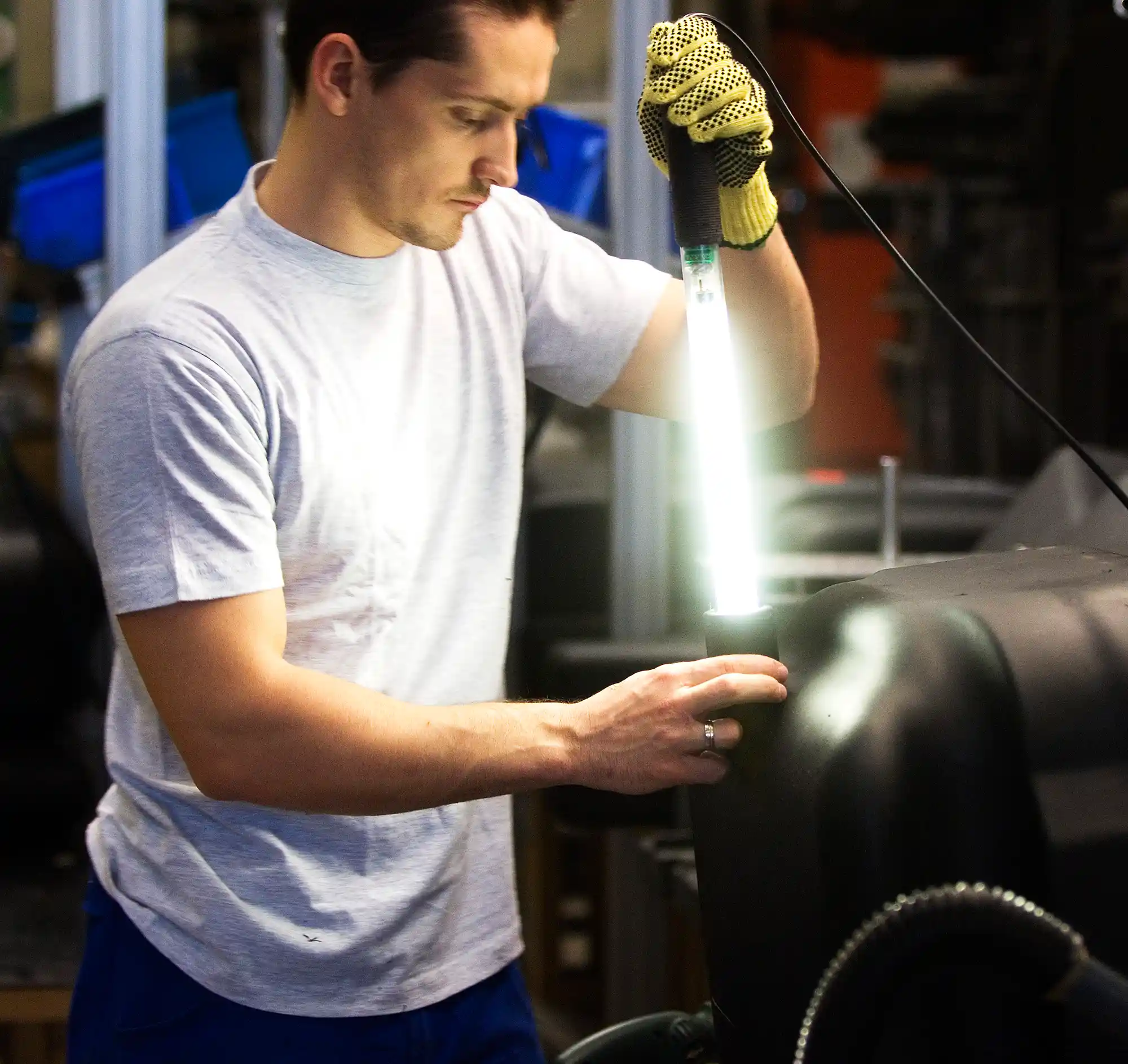
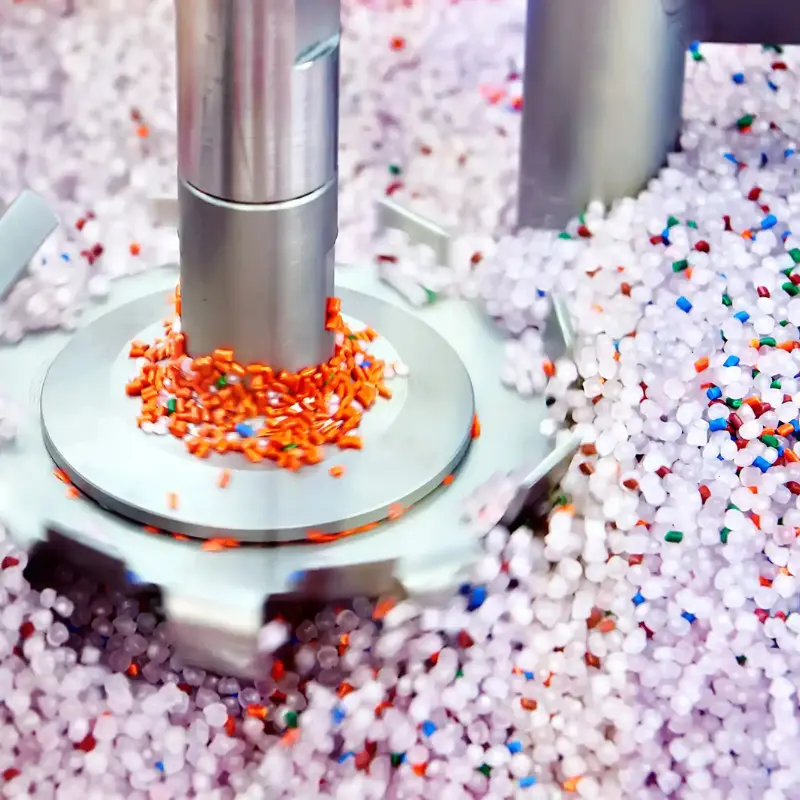
What are the benefits of rotomoulding for low-to-medium volume production?
- Lower tooling costs – moulds used in rotational moulding are considerably less expensive than those required for injection moulding, especially for large or complex shapes.
- Minimal material waste – nearly all of the polymer powder placed in the mould is used in the process, resulting in very little scrap material and optimised raw material usage.
- Single-step production – hollow parts with integrated features such as ribs or inserts can be created in a single process, eliminating multi-part assembly and reducing labour.
- Design flexibility for future updates – product modifications can be made quickly and at a lower cost compared to injection moulds, which is valuable for projects involving iterative design or product updates.
Collaboration at the core of every project
Our engineering teams work closely with customers from the concept stage to optimise moulds and product geometry for specific technical and functional requirements. This collaborative approach shortens lead times, enhances design precision and ensures that each component fully meets performance and production goals.
Throughout the process, Rotovia provides technical guidance and prototype validation, helping customers refine their designs before serial production. By combining engineering expertise with customer insight, we deliver tailored solutions that maximise efficiency, reliability and long-term value.
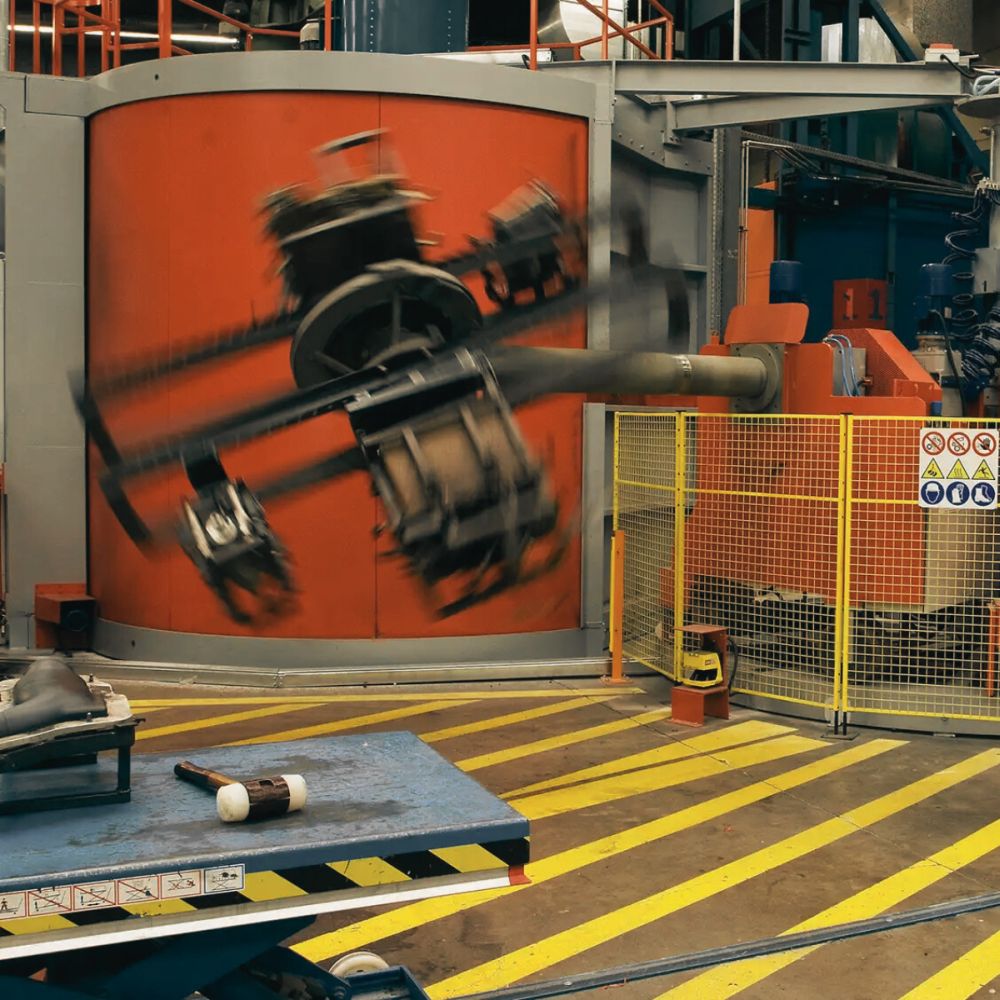
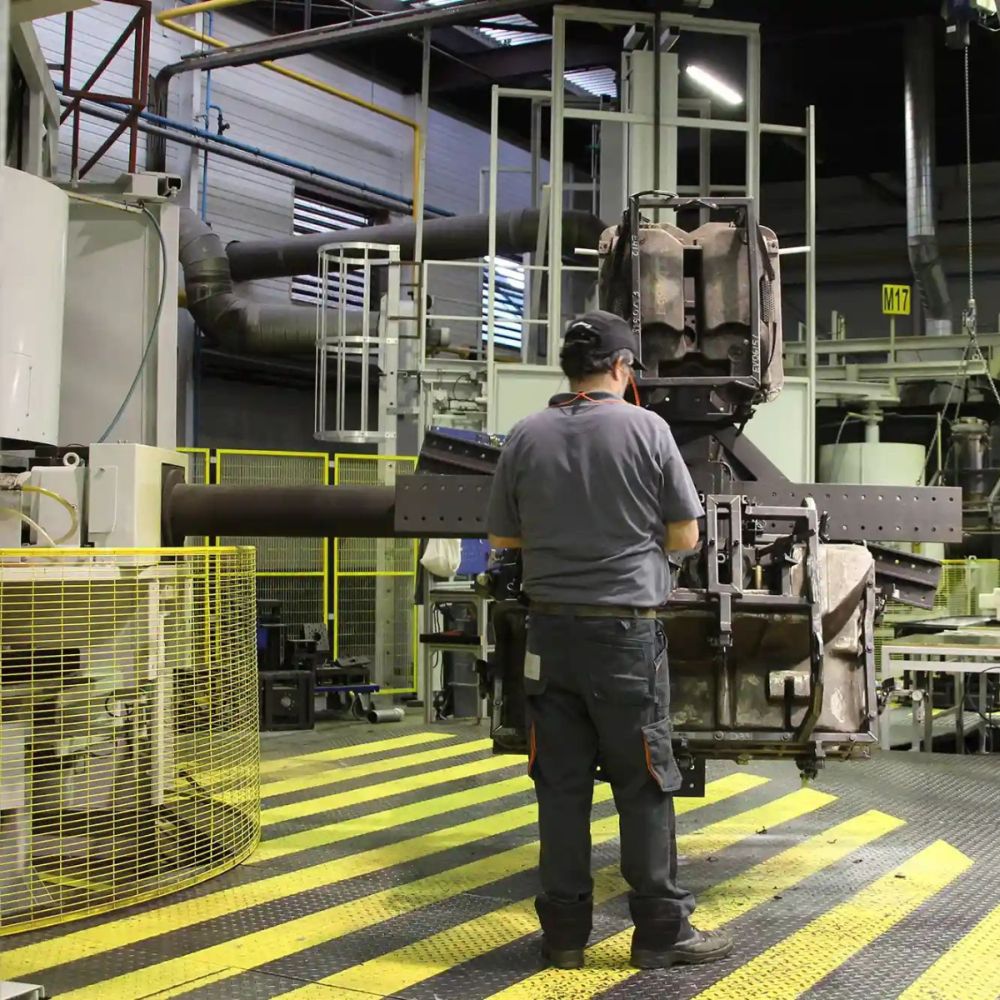
Rotovia – your partner in cost-efficient rotomoulding production
With production facilities in Europe and North America, Rotovia supports customers around the world in delivering rotomoulding projects efficiently and flexibly. As a specialist in custom moulding, we design and manufacture components tailored to individual requirements, combining quality, functionality and production cost optimisation.
Our experience covers a wide range of industries – from agriculture and renewable energy to vehicles, leisure, defence and building & construction – wherever flexibility and design precision are essential. By combining recyclable materials with long product life, we provide sustainable and resource-efficient solutions that help reduce production costs over time.
Get in touch to explore how Rotovia’s cost-efficient rotomoulding process can make your production more flexible and predictable.
FAQ
Why is rotational moulding more suitable for low-to-medium volumes?
Rotational moulding is ideal for low-to-medium production volumes because it requires simpler tooling and consumes less material. Unlike injection moulding, it avoids high upfront costs, making it more efficient for projects where flexibility and smaller batch sizes are key. This allows manufacturers to manage production budgets more effectively.
How does rotomoulding reduce material waste?
Rotomoulding uses almost all of the polymer powder loaded into the mould, leaving minimal scrap. This closed, low-pressure process ensures consistent material usage and supports sustainable production by reducing waste and environmental impact.
Can rotomoulded parts include integrated features?
Yes. Rotomoulding makes it possible to produce hollow parts with integrated handles, threads or mounting points in a single cycle. This eliminates the need for assembly, reduces production time and enhances product strength.
Is it easy to modify a rotomoulded design?
Yes. Mould modifications are relatively straightforward compared to other technologies. Changes can be made quickly to adjust design details or implement improvements, which makes the process ideal for iterative product development and continuous improvement.
your idea
to life. Start now!
