


Large and complex shapes in rotomoulding
What are the primary advantages of rotational moulding compared to injection moulding when designing large, complex, or hollow parts, and how can these benefits influence product design decisions?
Rotational moulding offers unique advantages over injection moulding, especially when producing large, hollow or geometrically complex components. The process ensures even wall thickness, eliminates joints and allows complete design freedom at a lower tooling cost. For manufacturers developing innovative products, these benefits open the door to new shapes, lightweight structures and durable solutions that would be technically or economically challenging with traditional injection moulding.
Seamless design for large, hollow and durable structures
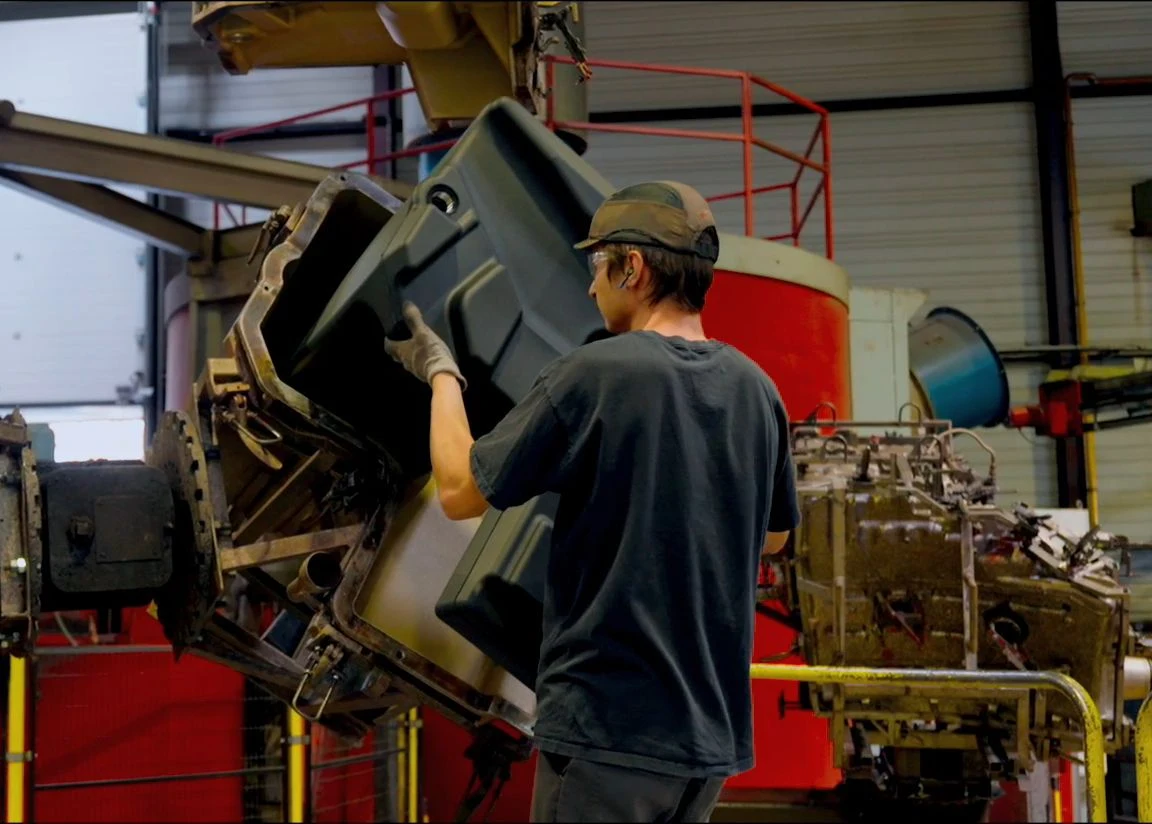
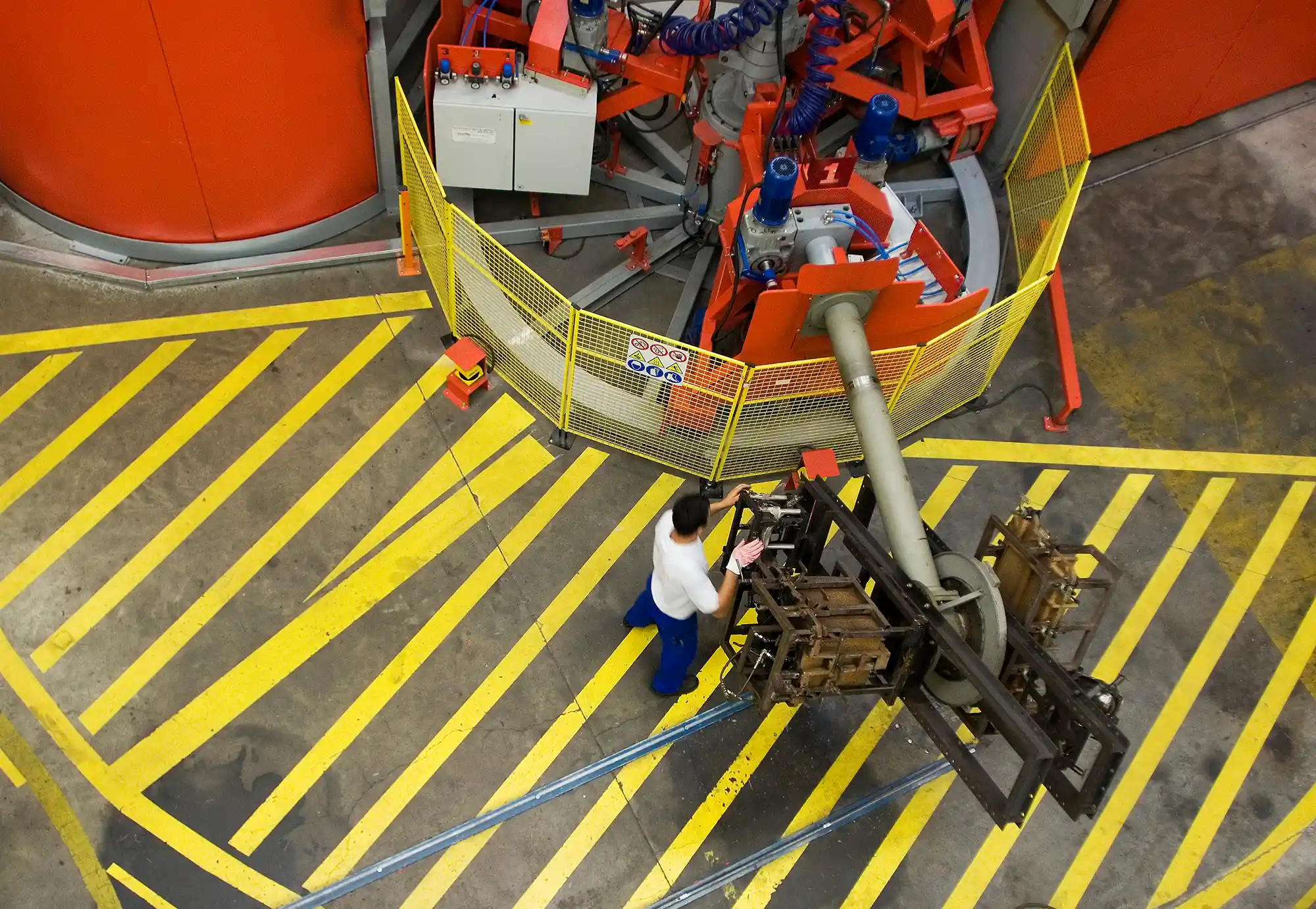
One of the defining strengths of rotomoulding is the ability to create large, seamless and hollow products in a single piece. The material coats the inside of the mould evenly, producing uniform wall thickness without welds or joints. This ensures smooth stress distribution and excellent mechanical performance even under load.
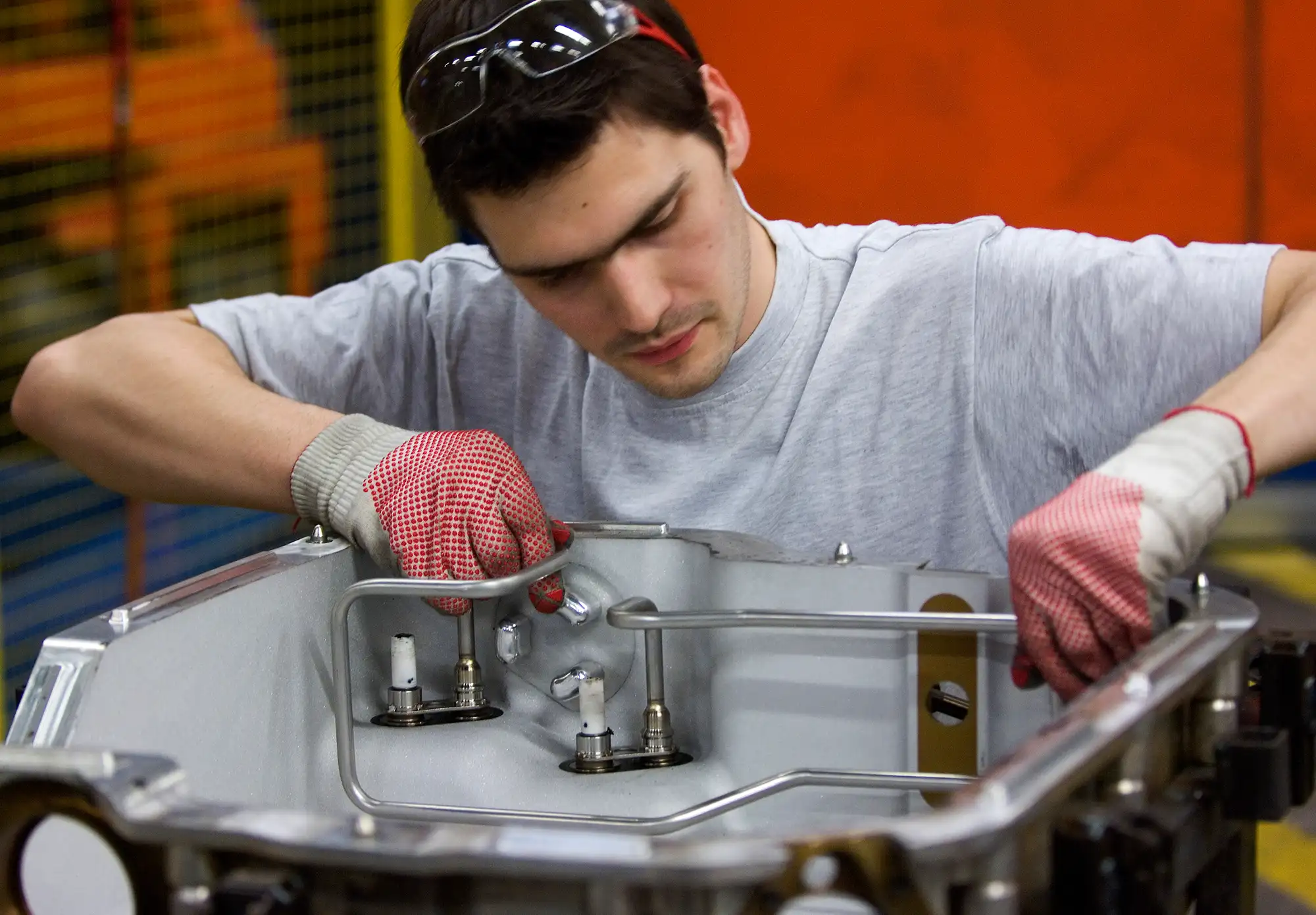
For applications such as tanks, containers, housings or structural covers, this seamless design eliminates weak points and the risk of leaks, reducing maintenance needs and improving long-term durability. Rotovia’s expertise in custom moulding allows engineers to integrate ribs, handles or mounting points directly into the part – improving strength and usability without additional assembly steps.
Design flexibility and freedom for complex geometries
Rotomoulding offers unparalleled design flexibility. Unlike injection moulding, which relies on complex tooling and part separation for large products, rotomoulding enables the formation of undercuts, curved surfaces and multi-cavity designs without mechanical stress. This allows for creative, ergonomic and functional designs that meet demanding project requirements.
At Rotovia, engineers work closely with customers during the design phase to optimise wall thickness, geometry and material flow. This collaborative approach ensures that even large or irregularly shaped products maintain the necessary balance of strength, weight and aesthetics, while minimising the need for post-processing or reinforcement.
Cost-effective tooling and material versatility
The lower tooling cost of rotomoulding is a decisive advantage for custom production and prototyping. Moulds are easier to modify, allowing design iterations without significant investment. This makes the process ideal for medium- and low-volume runs, where flexibility and responsiveness are key.
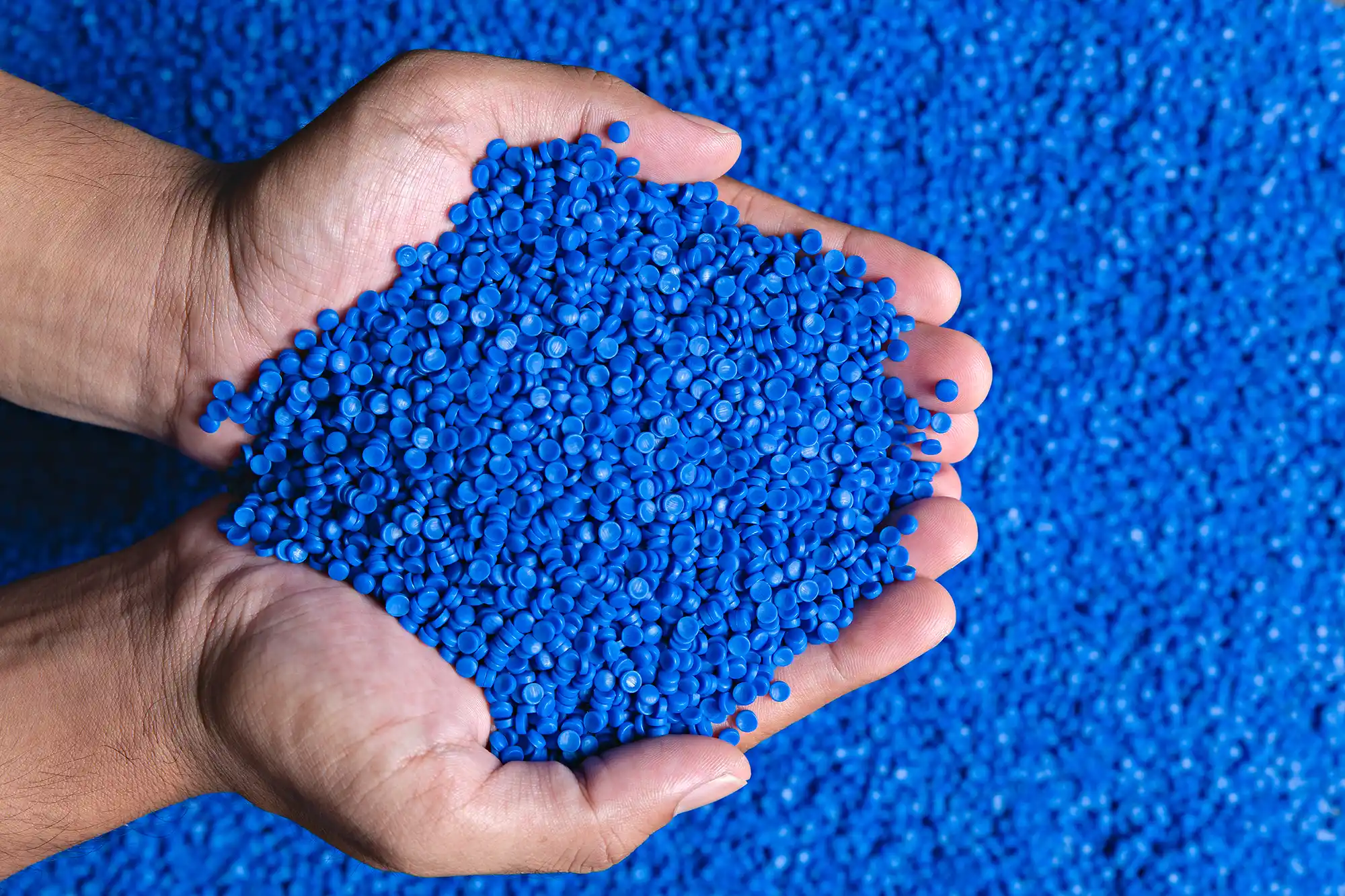
In addition, rotomoulding primarily uses different grades of polyethylene, such as LLDPE or HDPE, known for their excellent chemical resistance, UV stability and impact strength. These material properties ensure that rotomoulded components perform reliably in demanding outdoor and industrial environments, supporting applications across renewable energy, agriculture, recreation and defence.
Contact our team to explore how Rotovia’s custom moulding expertise can help you design large, complex and lightweight products efficiently and cost-effectively.
FAQ
Why is rotomoulding better suited for large or hollow products than injection moulding?
Rotomoulding forms hollow structures in a single piece, without welds or internal stress, while injection moulding requires multiple parts and complex tooling. This makes rotomoulding ideal for large components such as tanks or enclosures. The process distributes material evenly, providing consistent wall thickness and superior durability without the need for reinforcements.
How does rotomoulding improve product strength and performance?
The slow heating and cooling cycles of rotomoulding ensure uniform material density and low residual stress. As a result, products resist cracking, warping and fatigue even under heavy mechanical loads or temperature changes. By allowing ribs and reinforcement features to be formed integrally within the part, rotomoulding enhances both stiffness and impact strength while maintaining low weight.
Is rotomoulding more cost-effective than injection moulding for custom projects?
Yes. Rotomoulding requires simpler and less expensive tooling compared to injection moulding, making it ideal for prototyping, low- and medium-volume production, or products with frequent design changes. Modifications can be implemented quickly and at low cost, which helps customers optimise their designs without the financial constraints typical of high-pressure moulding technologies.
Can complex shapes and fine details be achieved with rotomoulding?
Absolutely. The process enables designers to include undercuts, smooth curves, integrated inserts and surface textures directly in the mould. This eliminates secondary operations and gives full control over both function and aesthetics. Rotovia’s design team uses advanced CAD and simulation tools to ensure that complex geometries are manufacturable, durable and aligned with the customer’s technical requirements.
What materials are used in rotomoulding, and how do they affect product performance?
Rotovia primarily uses polyethylene (HDPE or LLDPE), known for its durability, UV resistance and recyclability. Depending on the application, additives can enhance flexibility, impact resistance or chemical stability. These material options allow the creation of products that perform reliably in outdoor, industrial or marine conditions – all while maintaining a low environmental footprint and long service life.
In addition to polyethylene, Rotovia also uses other materials tailored to specific performance needs. For applications requiring increased rigidity, thermal insulation or flame retardancy, specialised polymer blends can be selected. Rotomoulding can incorporate cross-linked polyethylene (PEX) for enhanced strength and heat resistance or polypropylene (PP) in projects where stiffness and chemical resistance are crucial. Material selection is always matched to the functional requirements of the product,
your idea
to life. Start now!
