


Complex shapes in rotomoulding
We want to design a product with a complex geometry, multiple handles and integrated mounting points. Can the rotational moulding (rotomoulding) process handle such features, and what design strategies ensure high quality?
The rotomoulding technology, in which Rotovia specialises, is highly effective for projects that require complex, ergonomic shapes and integrated functional features. With proper design and the right material selection, it is possible to produce a single-piece, durable component that meets demanding structural requirements.
What are the benefits of rotomoulding for complex components?
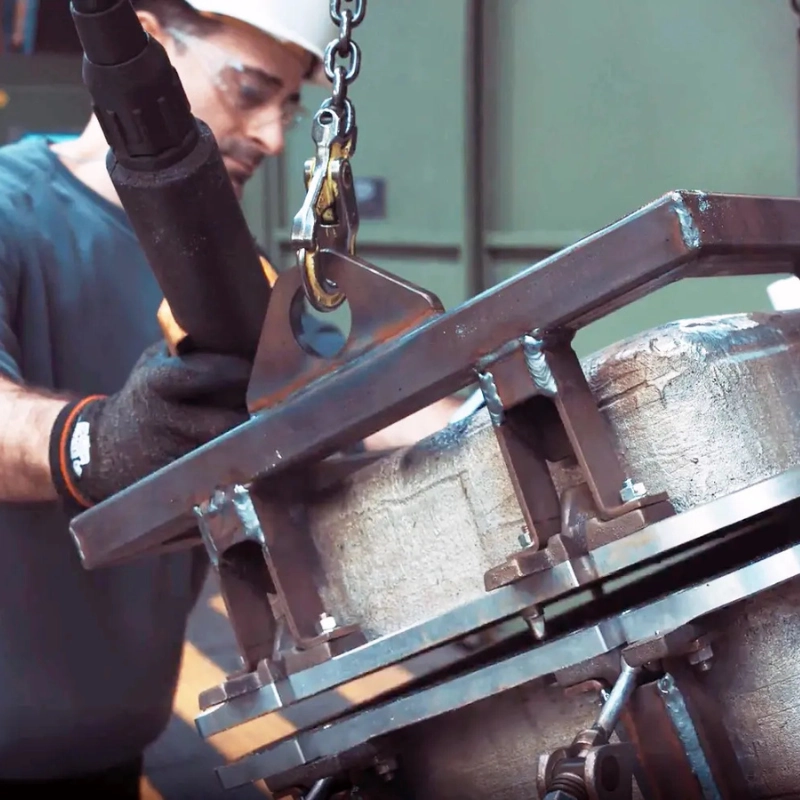
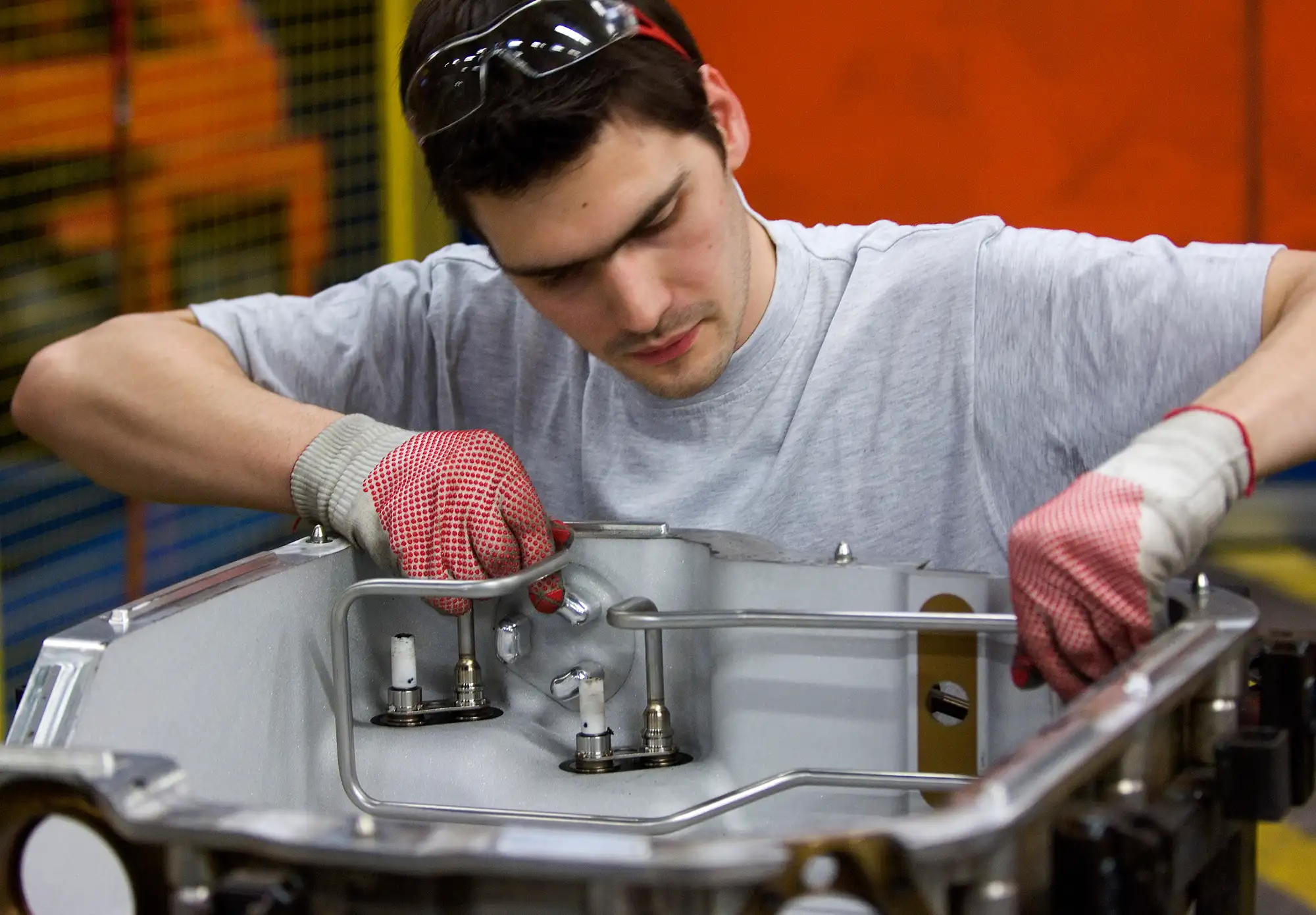
- Integrated features in a single process – handles, ribs and mounting points can be designed as part of the mould, enabling the production of a strong, unified component without additional assembly or bonding.
- Smooth wall transitions – sharp changes in wall thickness are avoided. The use of gentle tapers and fillets increases strength and improves material flow.
- Integration of inserts – metal elements such as threaded inserts or mounting plates can be positioned in the mould before processing and then permanently bonded with the plastic during moulding.
- Surface and texture options – mould textures can provide an attractive appearance and better grip, eliminating the need for post-processing.
Design strategies for consistent quality
Based on extensive experience and in-house engineering capabilities, Rotovia applies a comprehensive design approach:
- Design for rotomoulding – process-specific requirements such as element placement, wall thickness and draft angles are addressed already at the concept stage.
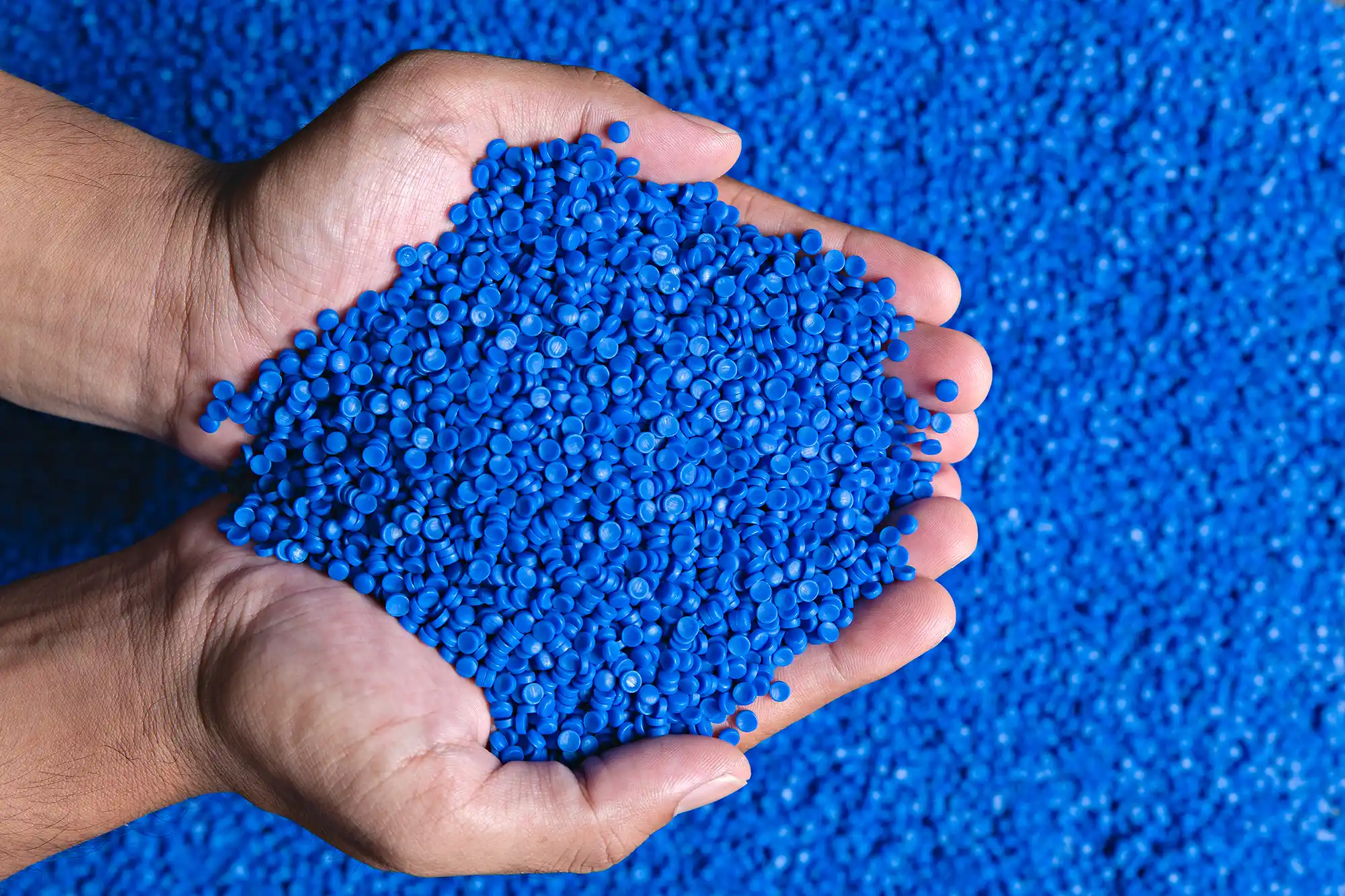
- Material selection – Rotovia uses UV-stabilised polyethylene to ensure long-term durability and weather resistance for outdoor applications.
- Precision mould manufacturing – aluminium and steel moulds are produced with high accuracy to replicate every product detail and ensure even material distribution.
- Process control – precise temperature, rotation and cooling control guarantees dimensional consistency and high-quality surface finish.
Rotovia – manufacturer of rotationally moulded components
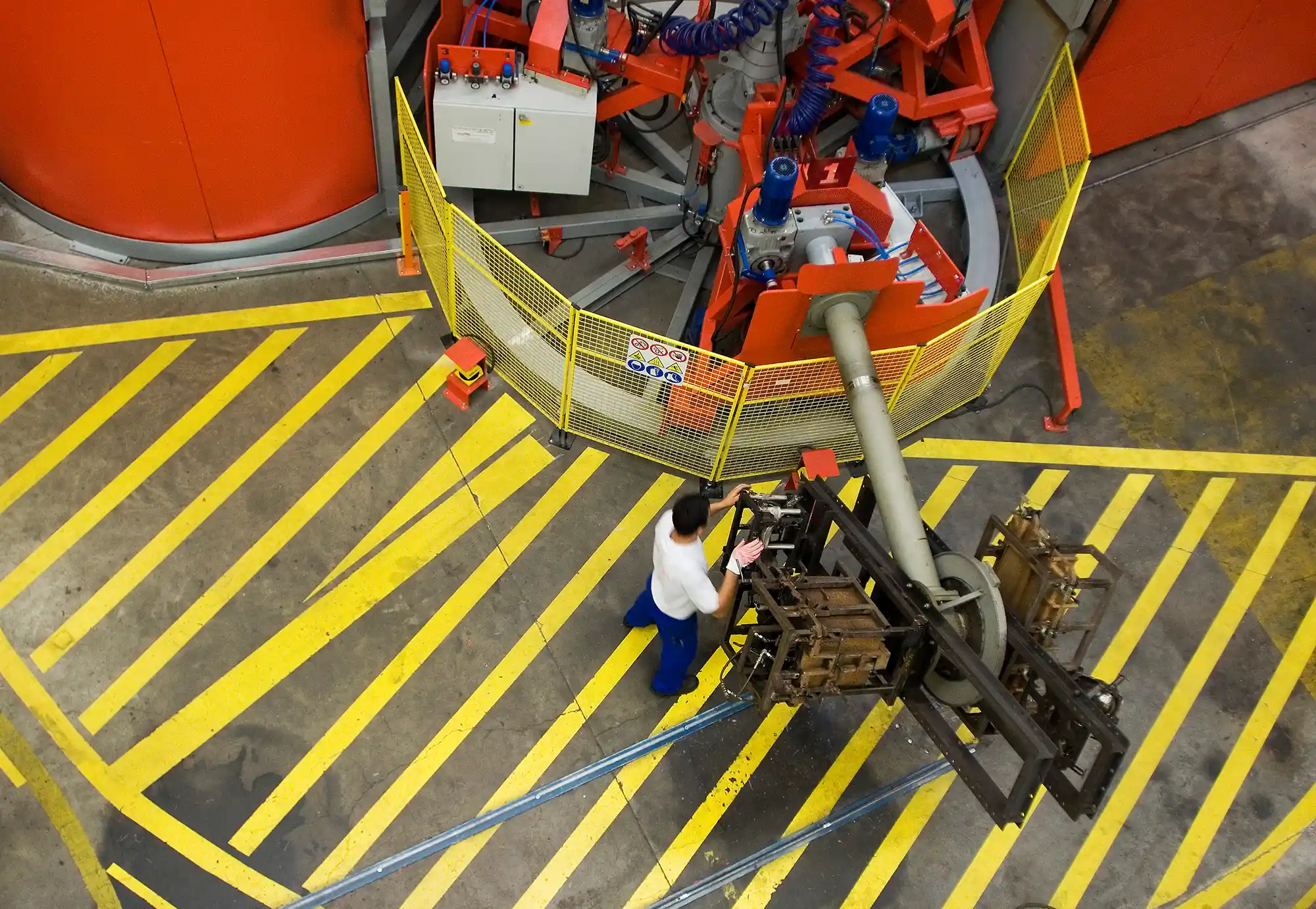
Rotovia is an international manufacturer of plastic products with production facilities in Europe and North America, supporting customers both locally and globally. The company specialises in custom moulding – the design and manufacturing of components tailored to specific customer requirements. We serve industries such as agriculture, renewable energy, vehicles, construction, leisure and defence. Products designed and manufactured by Rotovia combine low weight, durability and a sustainable profile. They are made from recyclable materials and designed for a long service life.
Contact our team to discuss your project and discover how Rotovia’s rotomoulding technology can support your application.
FAQ
Can handles and mounting points be moulded directly into the product?
Yes. With rotomoulding, handles, ribs and mounting points can be moulded as part of the component rather than added later. This approach improves the product’s strength, reduces assembly operations and eliminates potential weak points created by fasteners or joints. For industrial and outdoor applications, integrated features also enhance ergonomics and simplify handling, ensuring both functionality and visual consistency.
How should a complex-shaped component be designed to maintain durability?
Durability in complex geometries depends on careful design. Smooth transitions between wall sections and rounded radii help distribute stress evenly and prevent thinning during moulding. Sharp corners should be avoided, as they can create weak areas or incomplete material flow. Selecting the right polyethylene grade—UV-stabilised and impact-resistant—ensures that even intricate components maintain their strength and shape under load or environmental stress.
Can metal inserts be used in rotomoulding?
Yes. Metal inserts, such as threaded bushes, mounting plates or reinforcement elements, can be placed in the mould before heating. During the process, the molten polymer flows around the insert, permanently bonding it to the plastic. This creates strong, sealed connections ideal for products that require mechanical fastening or structural reinforcement, such as tanks, covers or frames used in industrial or defence applications.
Can different surface finishes be achieved without additional processing?
Absolutely. Surface textures are created directly in the mould, allowing designers to define the desired finish before production. Options include smooth, matte or textured surfaces that improve grip, aesthetics or brand recognition. Embossed logos, labels or functional patterns can also be incorporated into the mould surface, eliminating the need for secondary finishing operations and enhancing durability against wear and environmental exposure.
your idea
to life. Start now!
