


Rotomoulding vs. injection and blow moulding
We are considering multiple manufacturing methods for producing our large containers. From a procurement perspective, how does the cost structure of rotational moulding compare to injection moulding or blow moulding, particularly for low-to-medium volume production?
Rotational moulding offers a distinct cost structure that makes it especially attractive for large, hollow containers produced in low-to-medium volumes. Compared to injection or blow moulding, the process requires lower upfront investment, uses material efficiently and allows greater flexibility in production planning. For procurement teams, these factors translate into reduced capital expenditure and a more predictable return on investment for complex or large-scale components.
Tooling investment and financial risk management
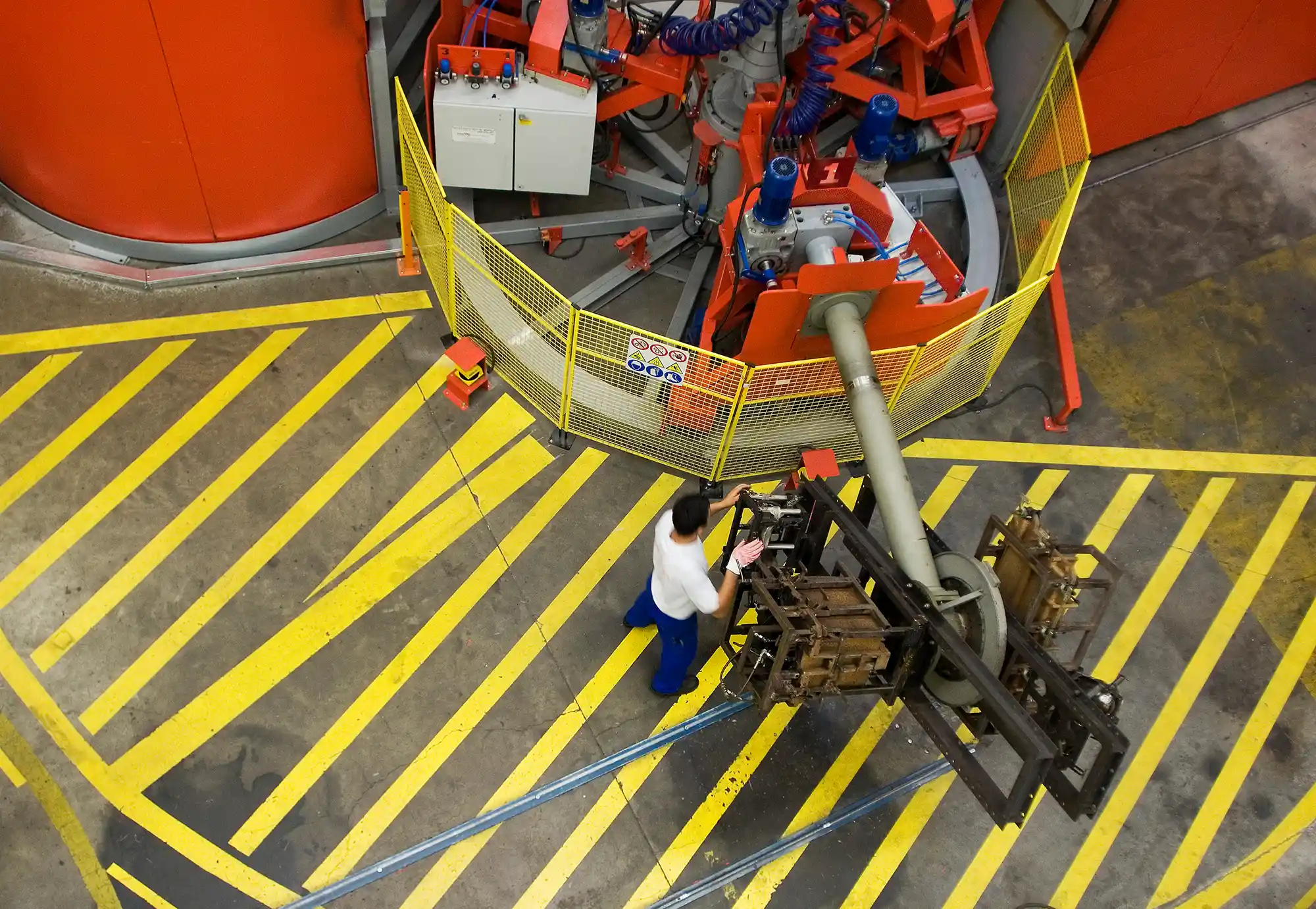
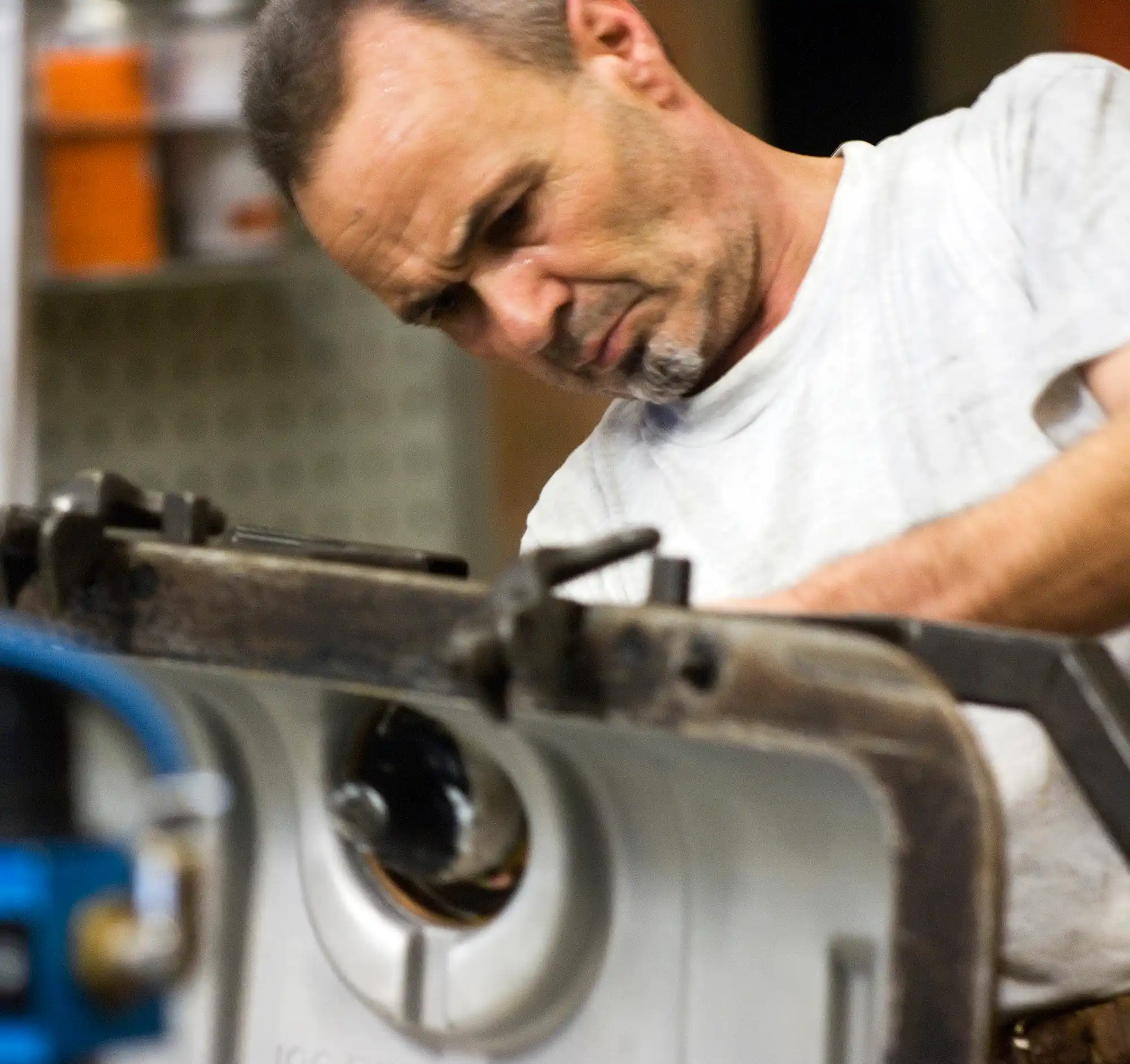
One of the most significant cost differences between rotomoulding and injection moulding lies in tooling. Injection moulds for large containers are highly complex, often multi-part and designed to withstand high pressures, which makes them expensive and time-consuming to produce. Rotomoulding moulds, by contrast, are mechanically simpler and typically manufactured from aluminium or steel without high-pressure requirements.
For procurement teams, this means lower initial investment and reduced financial risk, particularly in projects where volumes are uncertain or product specifications may evolve. The ability to modify or adapt rotomoulding moulds further supports iterative development without the need for costly tooling replacements.
Material efficiency and impact on unit cost
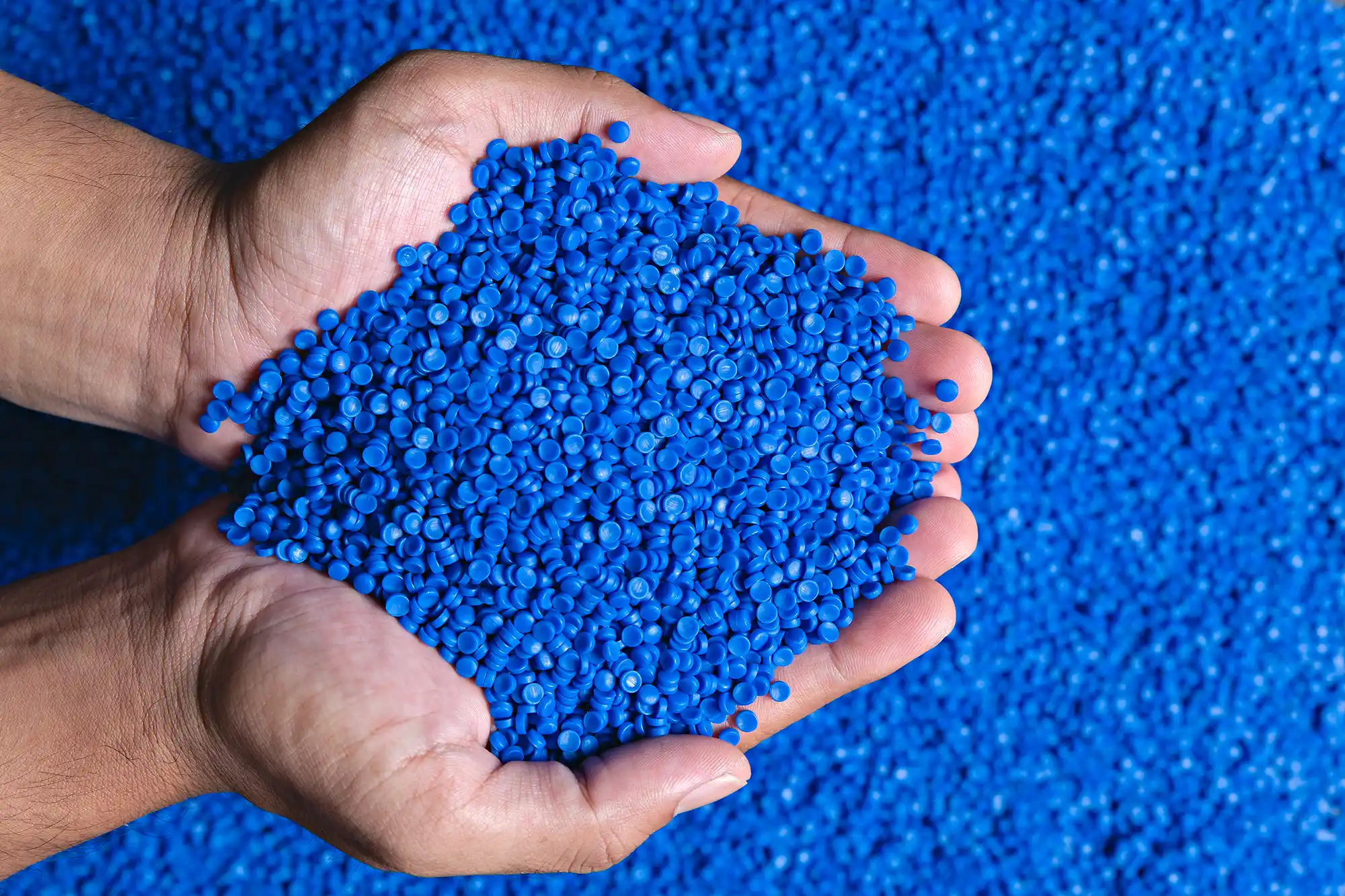
Material usage plays a key role in total production cost. Rotomoulding is an almost fully additive process: the polymer powder placed inside the mould becomes part of the final product. Unlike injection moulding, there are no runners or sprues, and reject rates are typically low for large hollow parts.
This efficient use of material not only reduces waste but also improves cost predictability, an important factor for procurement planning. For large containers, where material volumes are substantial, even small efficiency gains can have a measurable impact on overall project economics.
Production flexibility and scalability for medium volumes
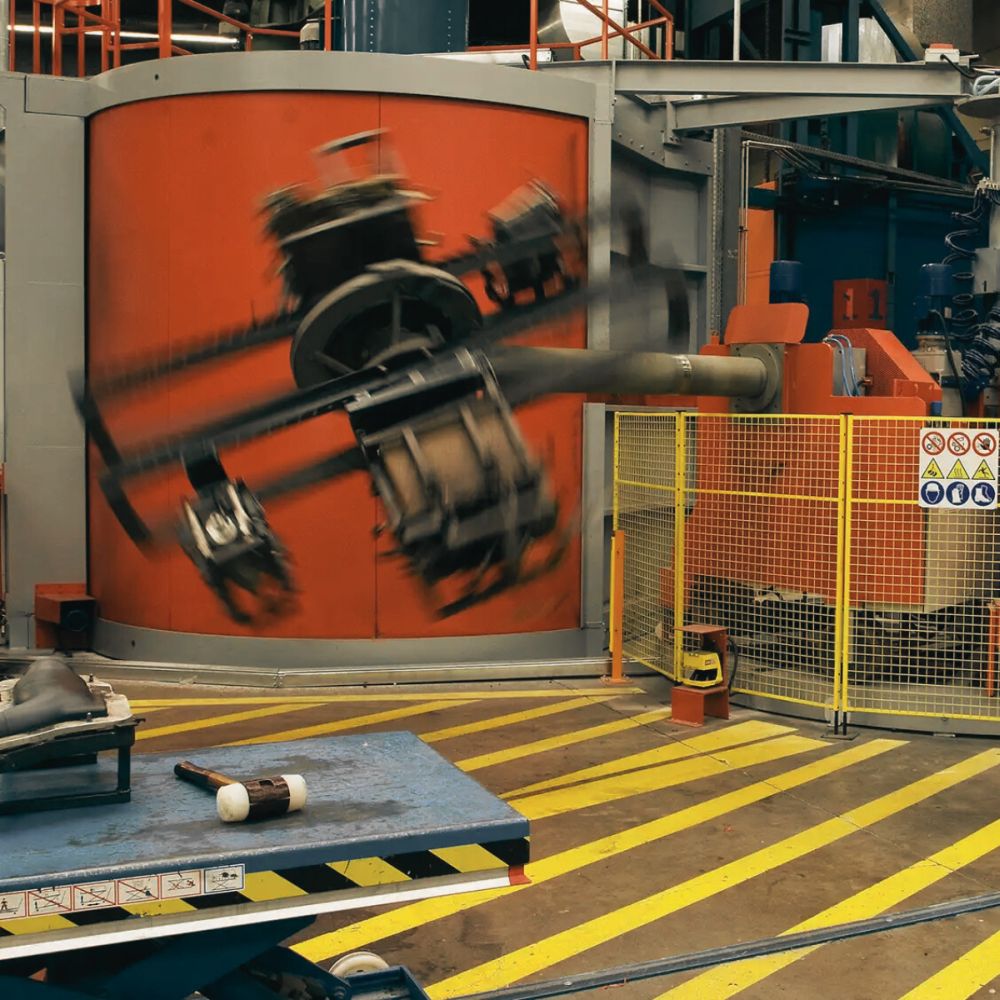
From a procurement perspective, production flexibility is often as important as unit cost. Rotational moulding supports incremental scaling, allowing manufacturers to increase production gradually without committing to high-volume tooling investments upfront. While individual cycle times are longer than in injection moulding, the elimination of secondary assembly steps and lower tooling amortisation often result in a competitive total cost per unit for medium-sized production runs.
Compared to blow moulding, which is optimised for thinner-walled, high-volume containers, rotomoulding offers greater freedom in wall thickness, geometry and reinforcement, without the need to dramatically increase production complexity or cost.
Rotovia – partner in custom rotomoulded product development
At Rotovia, we work closely with customers throughout the custom moulding process, supporting design development, material selection and mould engineering. By combining technical expertise with experience in rotomoulding tooling and production, we help ensure that our custom large containers and one-piece components are engineered for durability, manufacturability and consistent quality. This collaborative approach supports reliable product development from concept through to series production. Contact our team to discuss how Rotovia’s custom moulding expertise can support your container project from both a technical and procurement perspective.
FAQ
Why is rotomoulding more cost-effective for low-to-medium production volumes?
Rotomoulding requires significantly lower tooling investment than injection moulding, particularly for large parts. Because moulds are simpler and easier to modify, the upfront cost is reduced, and tooling can be amortised over smaller production runs. This makes rotomoulding well suited to projects where volumes do not justify high-pressure injection tooling.
How does rotomoulding compare to blow moulding for large containers?
Blow moulding is typically optimised for thin-walled containers produced in very high volumes. Rotomoulding, on the other hand, supports thicker walls, reinforced structures and more complex geometries. For large industrial containers requiring durability and structural strength, rotomoulding offers greater design flexibility with a more favourable cost structure at moderate volumes.
Does longer cycle time increase overall production cost?
While rotomoulding cycle times per part are longer than those of injection moulding, total production cost is influenced by more than cycle time alone. Lower tooling costs, minimal material waste and reduced assembly requirements often offset longer cycles, resulting in a competitive cost per unit for medium-volume projects.
How does material efficiency affect procurement planning?
Because nearly all polymer used in rotomoulding becomes part of the final product, material usage is predictable and waste is minimal. This improves cost transparency and simplifies budgeting, especially for large containers where material represents a significant portion of total cost.
Is rotomoulding suitable for projects with evolving design requirements?
Yes. One of the advantages of rotomoulding is the relative ease of modifying moulds compared to injection tooling. This flexibility allows procurement and engineering teams to adapt designs during development or early production phases without incurring excessive additional costs.
your idea
to life. Start now!
