


The thermal cycle in rotomoulding
How does the thermal cycle in rotational moulding affect material properties, and what considerations should a designer make when selecting plastics for load-bearing or outdoor products?
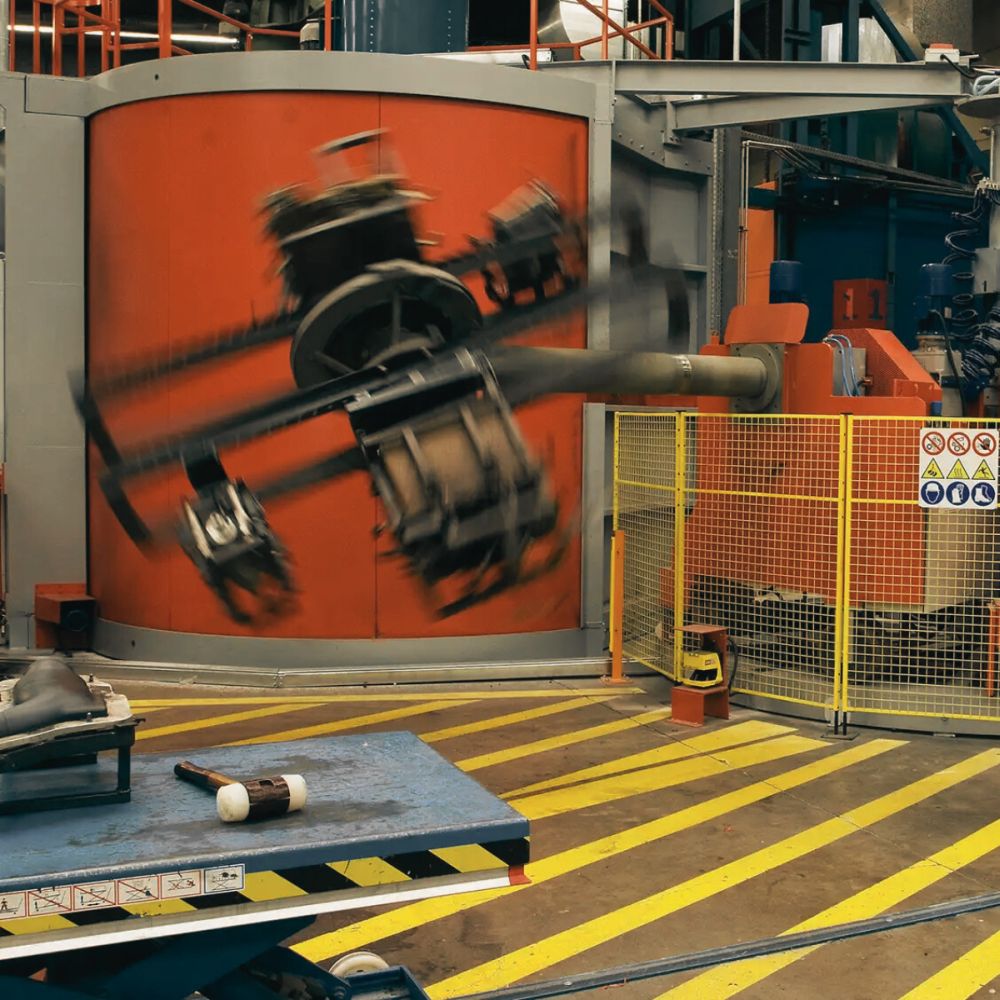
Rotational moulding relies on a controlled thermal cycle in which polymer powder is heated, melted and cooled while the mould rotates on multiple axes. This process directly influences crystallinity, impact strength, mechanical performance and dimensional stability. For designers, understanding how heat transfer and cooling rates affect material behaviour is essential when developing load-bearing, structural or outdoor components.
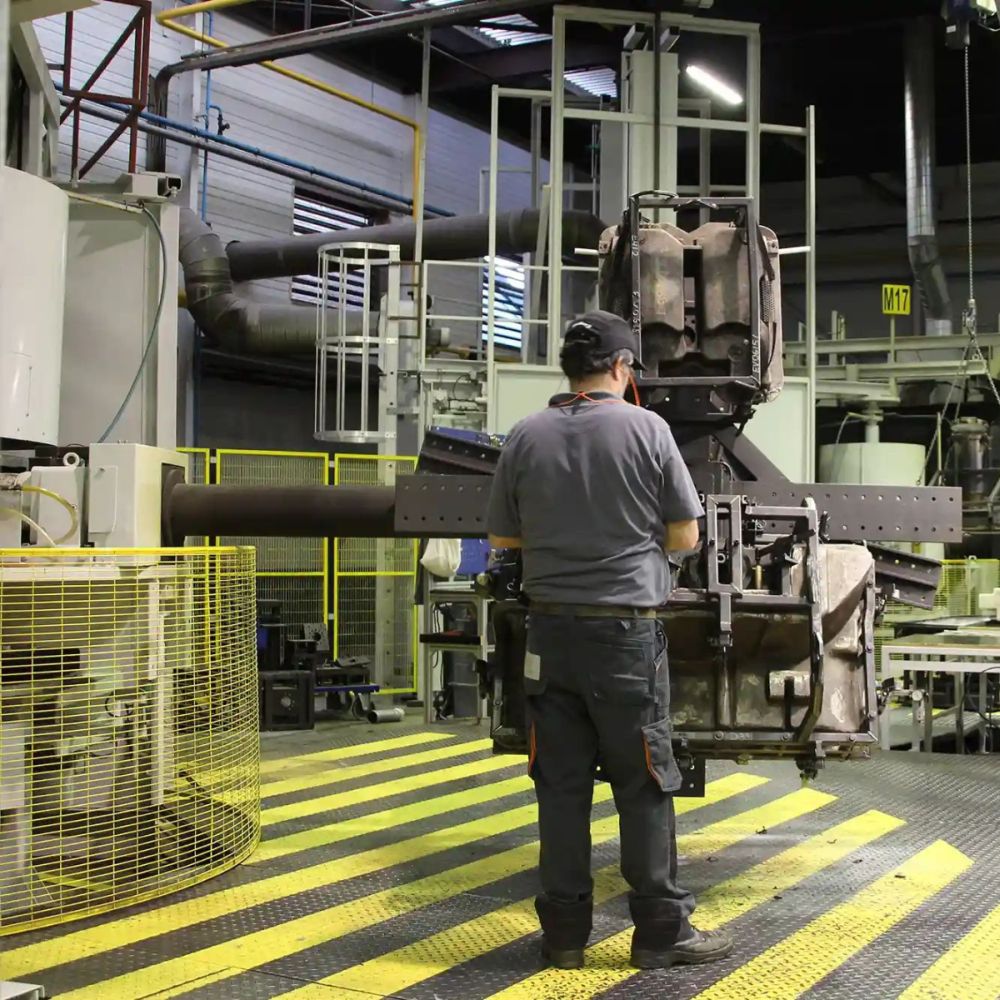
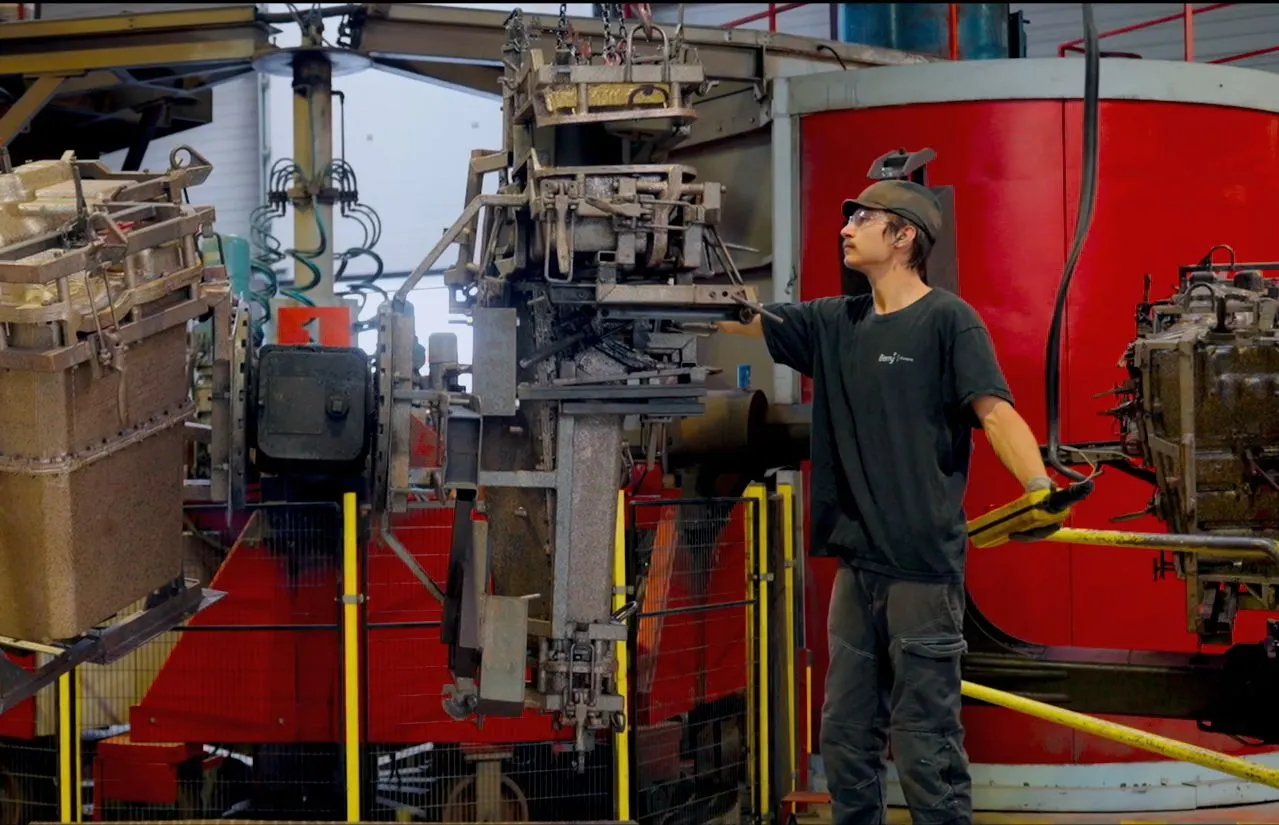
Thermal behaviour and its influence on polymer performance
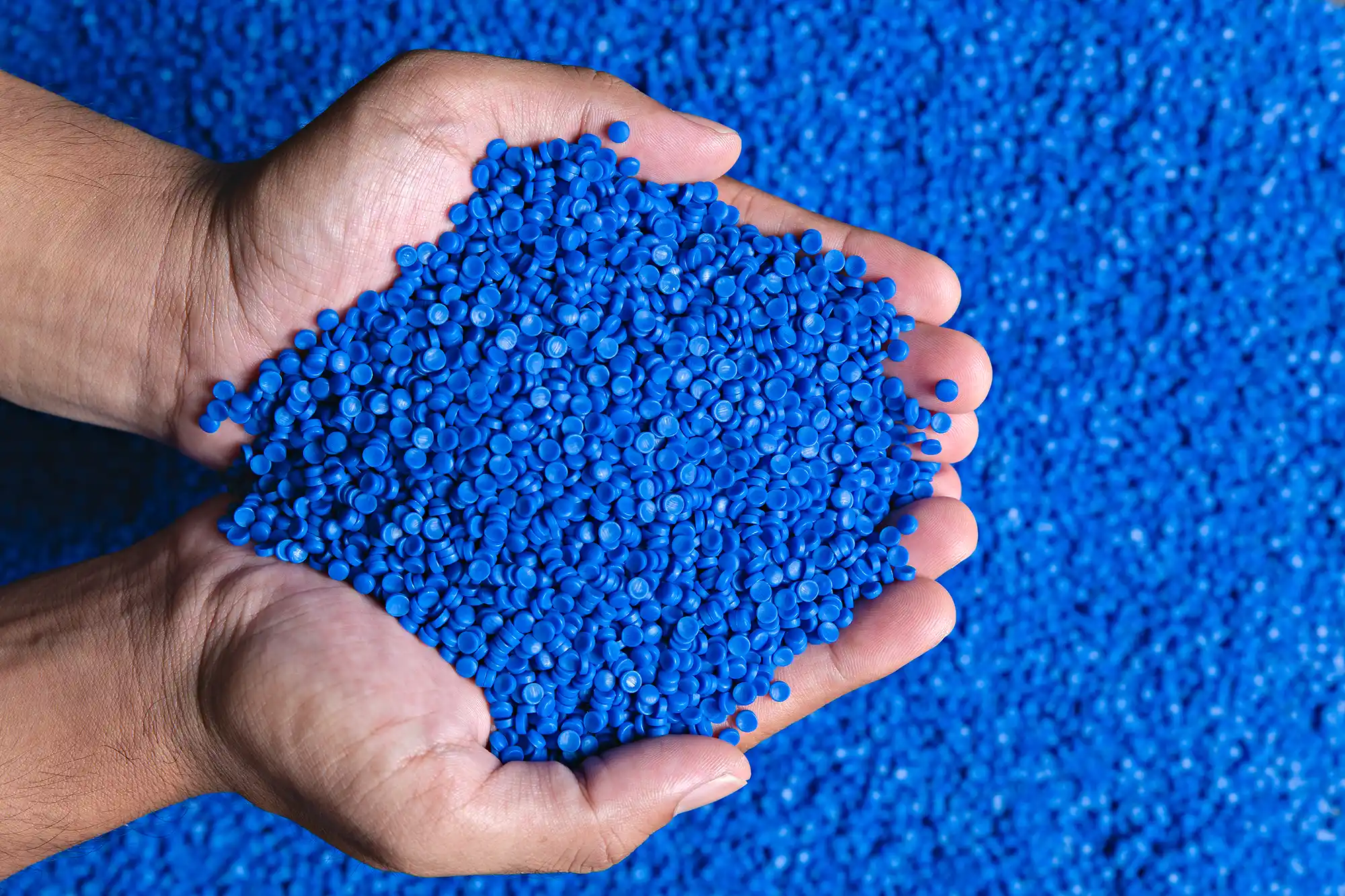
During the heating phase of rotomoulding, polyethylene powder melts gradually, allowing the polymer to fuse into a uniform layer with consistent density and crystallinity. Controlled heating reduces internal stress, enabling the material to maintain its mechanical properties across large surfaces and curved geometries.
The cooling phase is equally important. Slow, natural cooling, a defining advantage of rotomoulding, prevents warping, shrinkage and stress concentrations that could compromise strength. As a result, rotomoulded parts demonstrate excellent impact resistance, dimensional stability and long-term durability, even in applications exposed to vibration, load or repeated mechanical forces.
Choosing the right materials for structural and outdoor applications
Material selection is a critical design decision, especially when developing load-bearing or outdoor components. Rotovia primarily uses HDPE and LLDPE, which combine toughness, chemical resistance and stability under UV exposure. For outdoor use, UV-stabilised grades prevent brittleness and protect against degradation caused by sunlight.
In applications requiring higher stiffness or load capacity, designers can specify materials with enhanced mechanical properties or select modified polyethylene grades that offer improved environmental performance. Rotovia supports customers in evaluating the right balance between strength, weight, flexibility and environmental resistance, ensuring that the selected polymer behaves predictably throughout the thermal cycle.
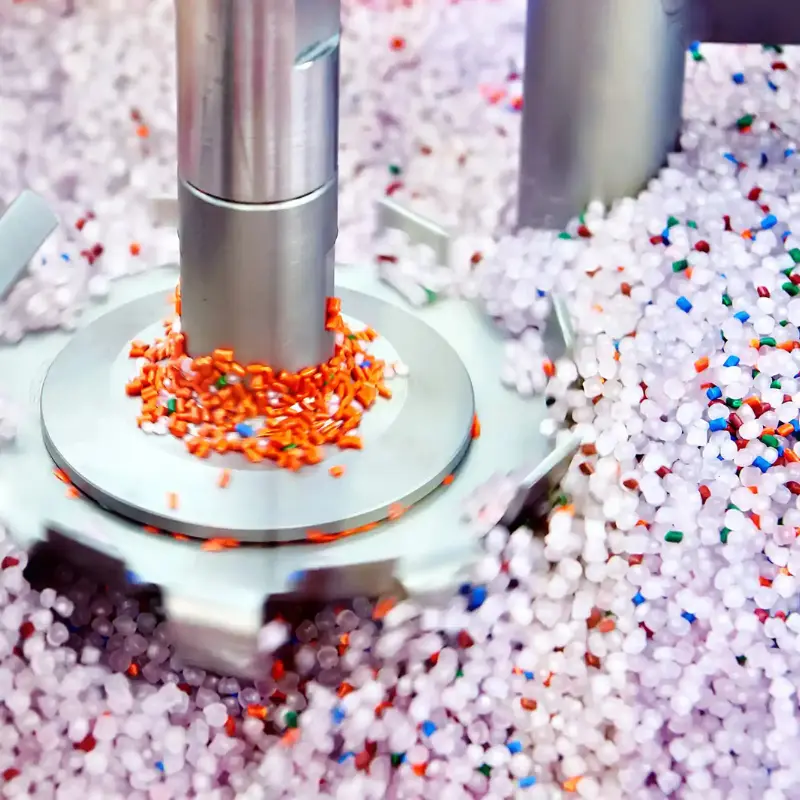
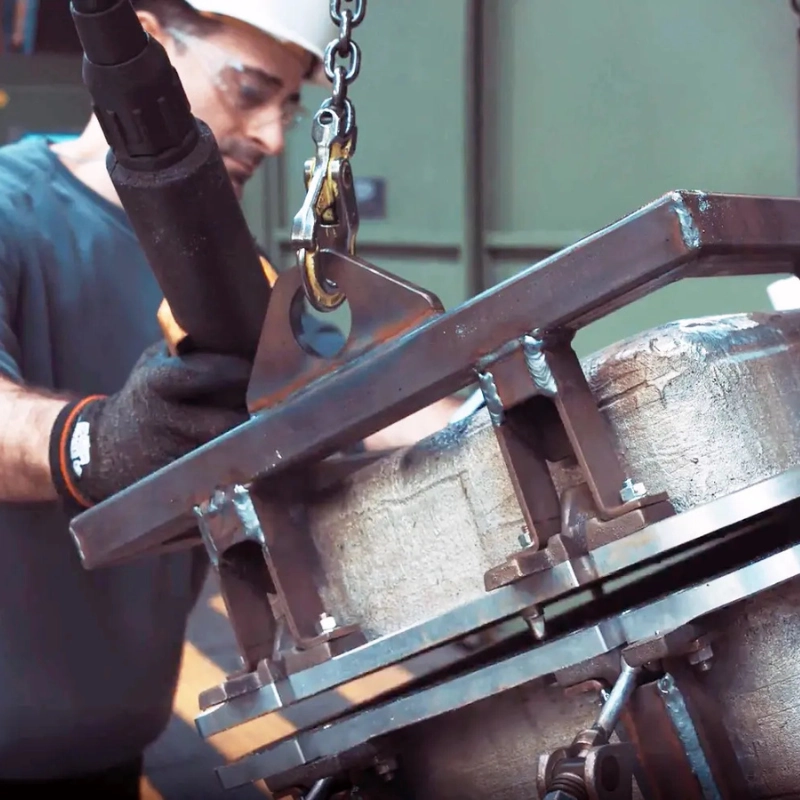
Designing wall thickness and geometry for consistent strength
The thermal characteristics of rotomoulding influence achievable wall thicknesses, making uniformity a key design consideration. Because the material flows by gravity rather than injection pressure, thin sections can be challenging to form consistently. For polyethylene parts, a minimum wall thickness of around 3 mm is typically required to maintain structural integrity and prevent deformation.
Designers can further optimise performance by incorporating features such as ribs, domed surfaces or rounded transitions, which help distribute loads evenly and strengthen the component without adding unnecessary weight. Rotovia’s engineering team uses advanced simulation tools to analyse material flow, cooling behaviour and stress distribution, supporting customers in creating durable, reliable and manufacturable designs.
Predicting long-term performance through thermal-material understanding
Understanding how the thermal cycle interacts with polymer behaviour enables designers to make informed decisions about geometry, durability and lifecycle performance. Features such as low residual stress, high impact resistance and predictable shrinkage allow rotomoulded products to maintain performance over many years, even when exposed to demanding conditions.
For load-bearing components, this predictable behaviour reduces the risk of fatigue, cracking or distortion. For outdoor applications, thermal-material optimisation ensures resistance to UV radiation, temperature fluctuations and environmental stress – resulting in products that remain stable, safe and reliable throughout their service life.
Contact our team to learn how Rotovia’s custom moulding expertise can support the design of durable, load-bearing and outdoor-ready rotomoulded products.
FAQ
How does the rotomoulding thermal cycle affect material strength?
The controlled heating and gradual cooling in rotomoulding produce a polymer structure with low internal stress and uniform crystallinity. This gives the material predictable strength and high resistance to cracking or deformation. Unlike injection moulding, which cools rapidly and often introduces stress points, rotomoulding’s slow cycle enhances long-term impact strength and fatigue resistance – essential for load-bearing or structural parts.
Why is polyethylene the preferred material for outdoor and load-bearing rotomoulded components?
Polyethylene (HDPE or LLDPE) combines toughness, UV stability, flexibility and chemical resistance, making it ideal for products exposed to weather, sunlight and mechanical loads. Its molecular structure responds well to the rotomoulding thermal cycle, achieving excellent cohesion and durability without weakening at corners or transitions. UV-stabilised grades maintain colour, avoid brittleness and ensure long-term outdoor performance.
What design factors help maintain dimensional stability during the thermal cycle?
Dimensional stability depends on consistent wall thickness, rounded geometries and appropriate cooling rates. Sharp edges or very thin sections may cool unevenly, leading to shrinkage or deformation. By using smooth transitions, domed surfaces, reinforcement ribs and correct mould venting, designers ensure controlled heat exchange and stable part geometry. Rotovia supports customers with simulation tools that predict shrinkage and optimise part geometry.
Can rotomoulded parts support heavy loads?
Yes, rotomoulded parts support heavy loads when designed correctly. Load-bearing performance comes from a combination of adequate wall thickness, proper geometry, and low residual stress achieved through the rotomoulding thermal cycle. Integrating ribs, gussets or curved surfaces improves stiffness without excessive material use. Because rotomoulded parts have uniform density and no weld lines, they perform reliably under static and dynamic loads.
How does UV stabilisation improve outdoor product lifespan?
UV stabilisers protect polyethylene from degradation caused by prolonged sunlight exposure. They prevent the polymer chains from breaking down, which would otherwise lead to brittleness, fading or surface cracking. By combining UV-stabilised material with the stress-free thermal cycle of rotomoulding, outdoor components retain their strength, colour and impact resistance for many years.
your idea
to life. Start now!
