


Selecting rotomoulding materials for outdoor and chemically demanding applications
We are evaluating materials for outdoor use and exposure to chemicals. Which rotomolding polymers are suitable for such applications, and what are the long-term performance considerations we should account for?
Rotational moulding most commonly uses polyethylene grades such as HDPE and LLDPE, but other polymers can also be processed depending on application requirements. For outdoor environments and chemically demanding conditions, material selection plays a critical role in ensuring durability, resistance and long-term performance. Designers and procurement teams should consider UV stability, chemical resistance, temperature behaviour and mechanical properties when selecting the appropriate polymer.
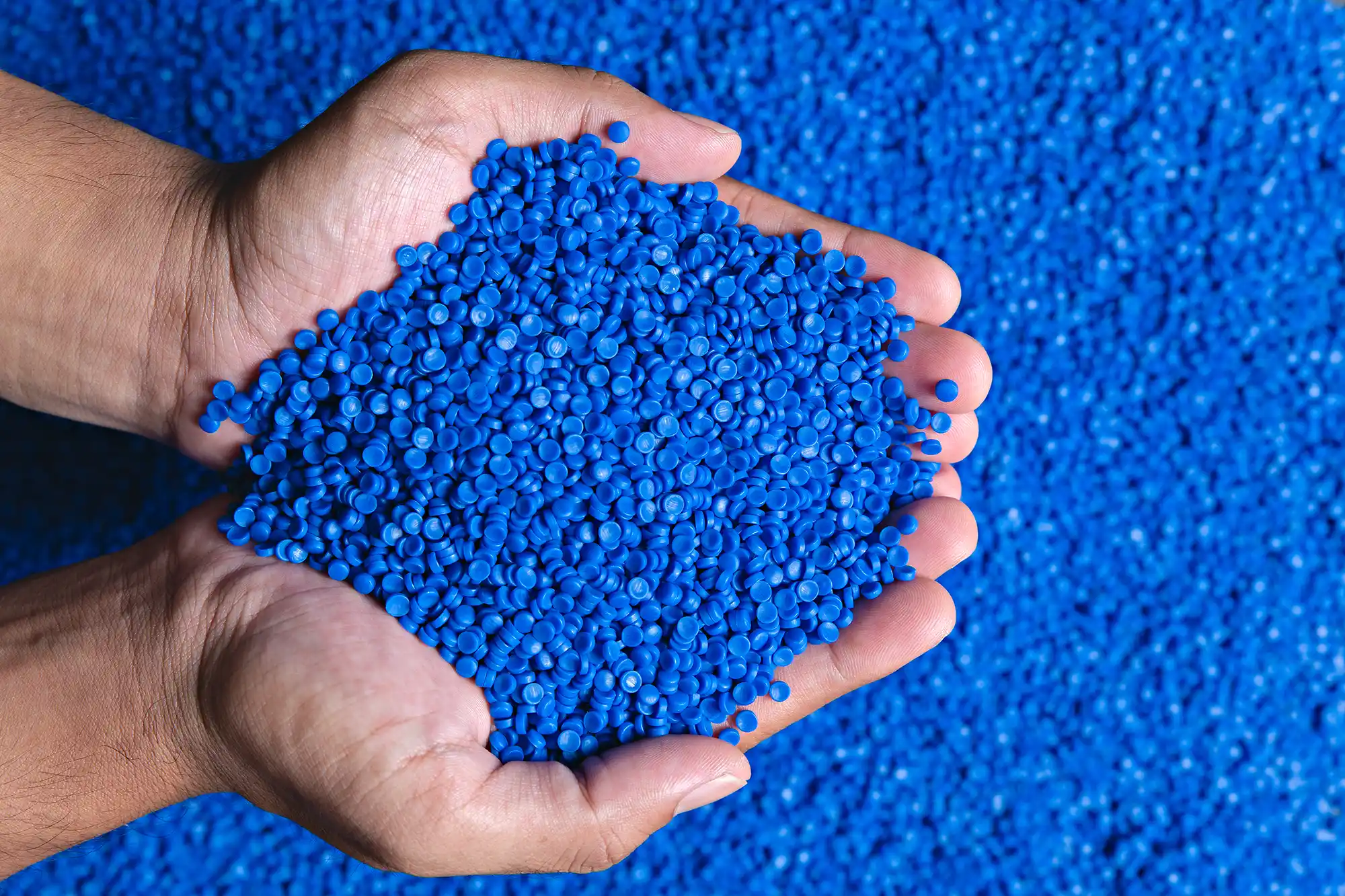
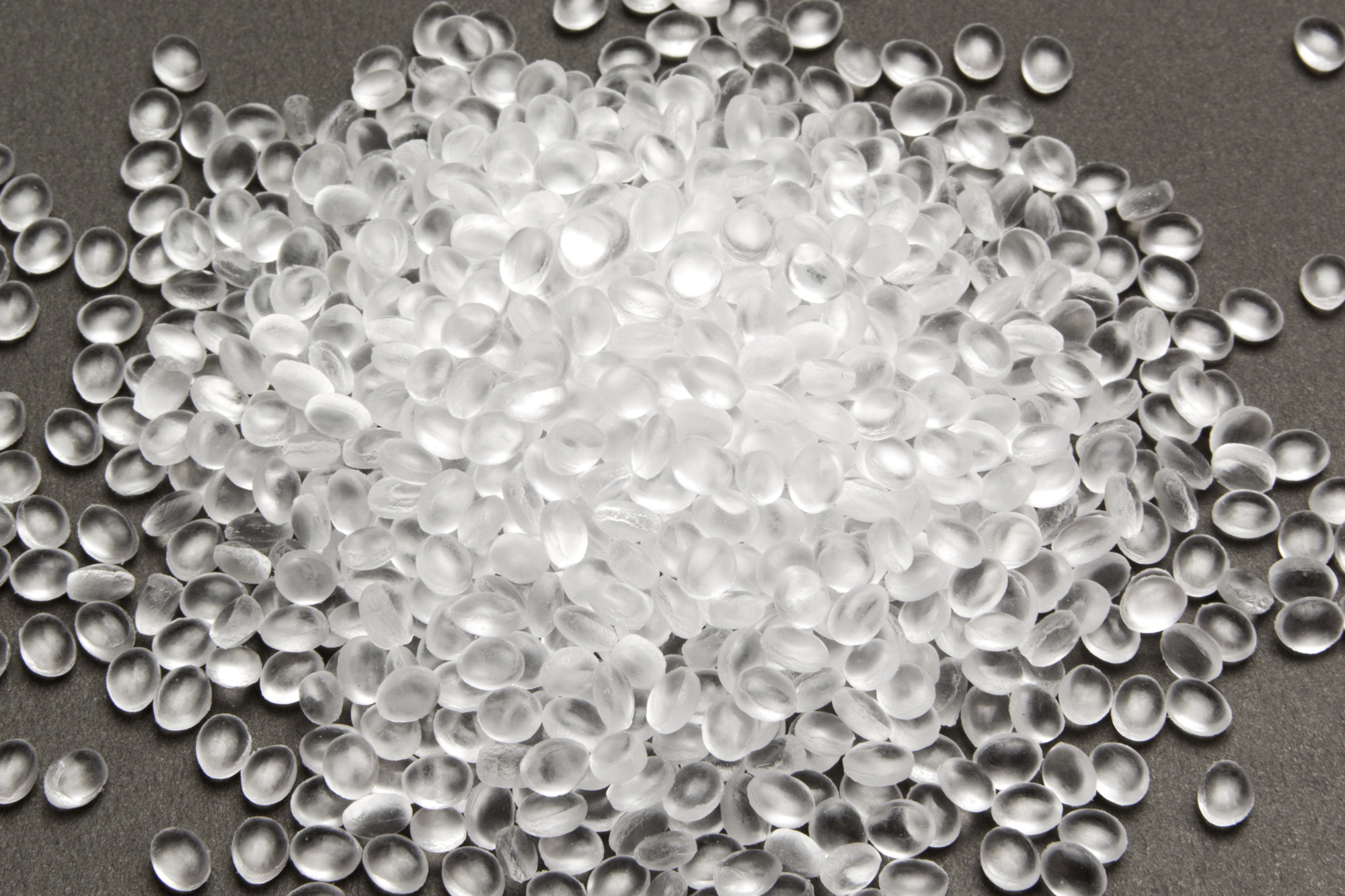
Polyethylene as the primary material for outdoor rotomoulded products
Polyethylene is the most widely used material in rotomoulding due to its balanced combination of durability, flexibility and resistance to environmental exposure. HDPE and LLDPE offer excellent impact resistance and low residual stress, which reduces the risk of cracking or brittleness over time.
For outdoor applications, UV-stabilised grades are essential. These materials are formulated to withstand prolonged exposure to sunlight, maintaining structural integrity and surface quality over many years. As a result, polyethylene is commonly used for outdoor tanks, containers, housings and enclosures where long service life is a key requirement.
Chemical and temperature resistance in demanding environments
In addition to UV exposure, many outdoor applications involve contact with chemicals such as cleaning agents, fuels or industrial liquids. Polyethylene performs well in these environments due to its natural resistance to most acids, bases and common chemicals. This makes rotomoulded polyethylene components suitable for storage, transport and containment applications.
Temperature behaviour is another important consideration. Standard polyethylene grades remain stable across a wide temperature range, typically from low sub-zero conditions to moderate operating temperatures. For applications exposed to higher temperatures or specific chemical environments, specialised material grades can be evaluated to ensure consistent performance throughout the product lifecycle.
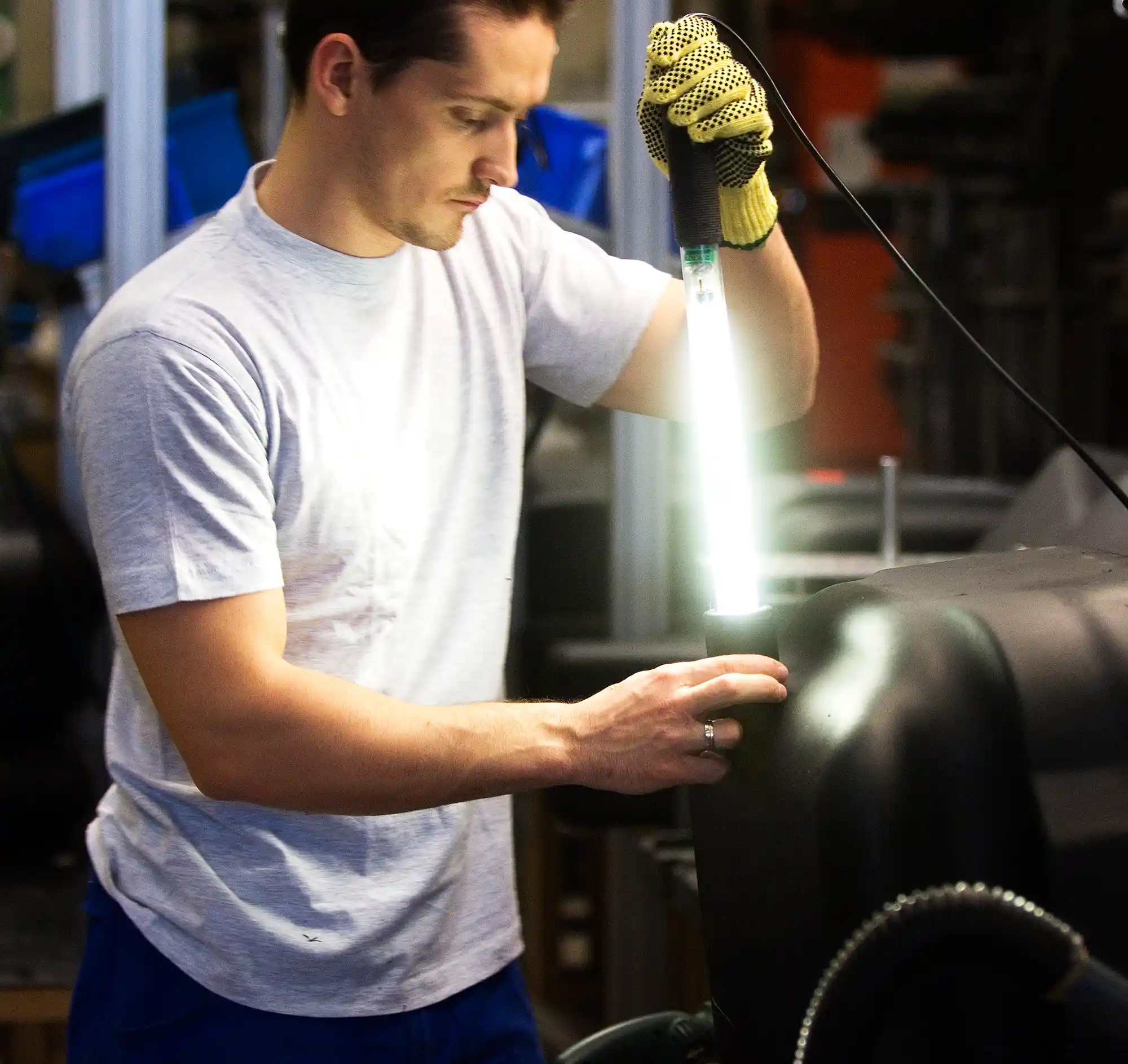

Key material selection considerations for long-term performance
When specifying polymers for outdoor and chemical exposure, several factors should be assessed early in the design process:
- UV resistance, including stabilisation level and expected outdoor lifespan
- Chemical compatibility with substances the product will contact during use
- Temperature tolerance, based on operating and environmental conditions
- Impact resistance and residual stress, influencing long-term durability
- Material data and testing, confirming suitability for the intended application
By addressing these aspects upfront, designers and procurement teams can reduce risk, improve product reliability and ensure that material performance aligns with lifecycle expectations.
Custom rotomoulding expertise in material selection
At Rotovia, we support customers throughout the custom moulding process, helping them select materials that match real-world environmental and chemical exposure conditions. Our teams work with proven polyethylene grades and evaluate material behaviour in relation to design, processing and end-use requirements. By combining material expertise with rotomoulding know-how, Rotovia helps ensure that outdoor and chemically exposed components are engineered for durability, reliability and consistent performance over time. Contact our team to discuss material selection for your outdoor or chemically demanding rotomoulded application.
FAQ
Which materials used in rotomoulding are suitable for outdoor applications?
Polyethylene is the most commonly used material in rotomoulding, particularly HDPE and LLDPE. For outdoor applications, HDPE grades with UV-stabilizing additives are used. These materials can perform outdoors for 10–20 years without significant degradation. Selecting the appropriate grade is crucial for product durability.
What level of chemical resistance do rotomoulded parts offer?
HDPE and LLDPE show high resistance to most acids, bases, and cleaning agents. As a result, they are widely used in tanks, containers, and chemical storage systems. The chemical resistance of these materials is proven in many industrial applications. These properties are one of the main advantages of polyethylene in rotomoulding.
What are the temperature limitations of materials used in rotomoulding?
Polyethylene remains stable in a temperature range from –40°C to approximately 60°C. Outside this range, specialized material grades may be required. The selection of the appropriate material should take actual operating conditions into account. This has a direct impact on the long-term reliability of the product.
What factors influence the long-term durability of rotomoulded components?
Rotomoulded parts are characterized by a low level of internal stress. This provides good impact resistance and reduces the risk of cracking or brittleness over time. The use of materials with appropriate UV additives and verified chemical resistance is also important. When selecting a supplier, it is advisable to verify technical data sheets as well as available tests and certifications.
your idea
to life. Start now!
