

Engineering collaboration in practice - Rotovia and PEEQUAL
A closer look at how collaboration between Rotovia and PEEQUAL supported the refinement and validation of an innovative urinal solution designed for women, trans women and AFAB non-binary people. Through on-site testing, engineering validation and close cooperation between teams, the project helped optimise the design and ensure reliable performance in real operating conditions.
From development to real-world performance
Developing a new product is rarely a linear process. It requires testing assumptions, refining details and validating solutions under real-world conditions. This is exactly how our collaboration with PEEQUAL has evolved – through close engineering cooperation, hands-on testing and continuous improvement.
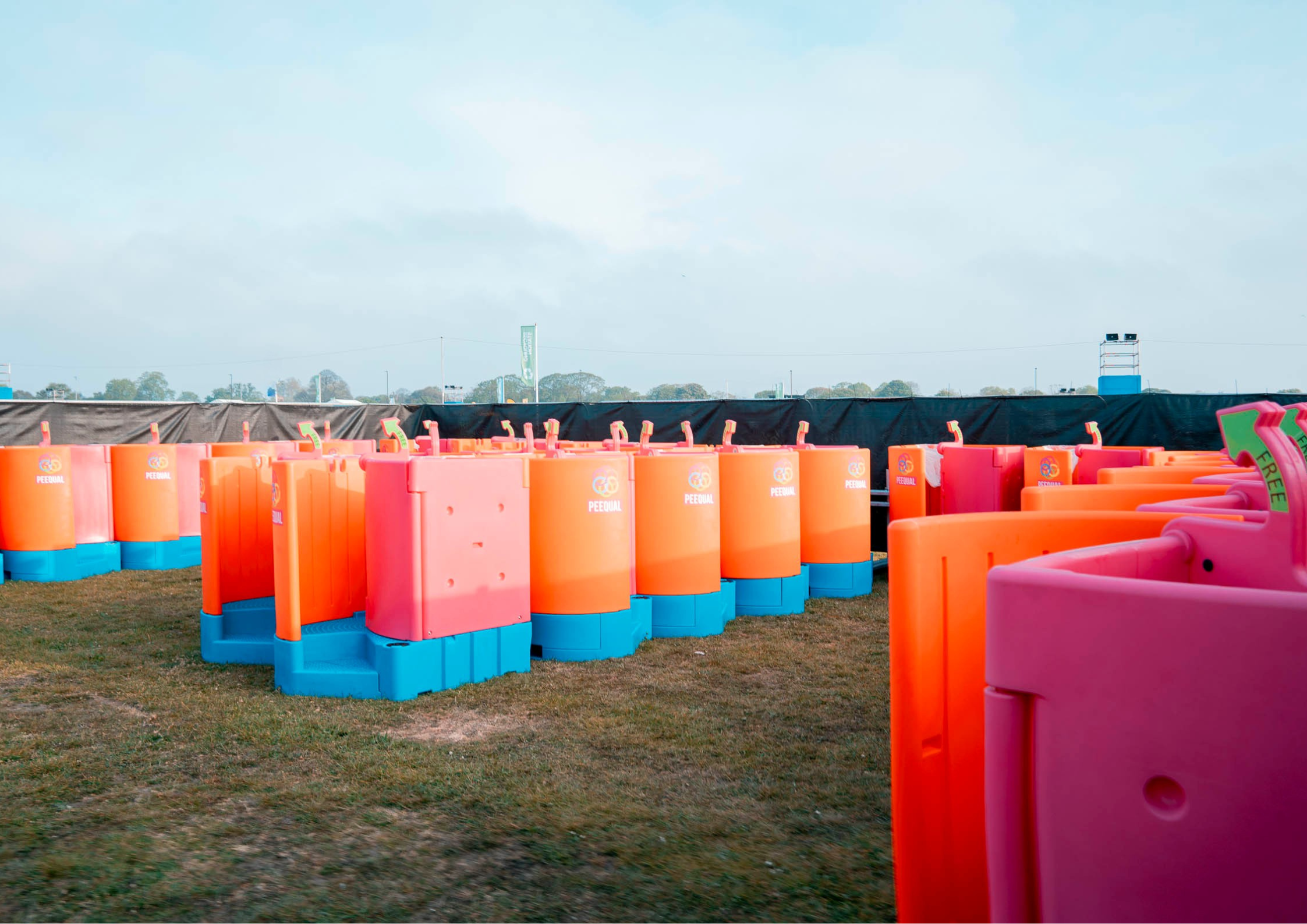
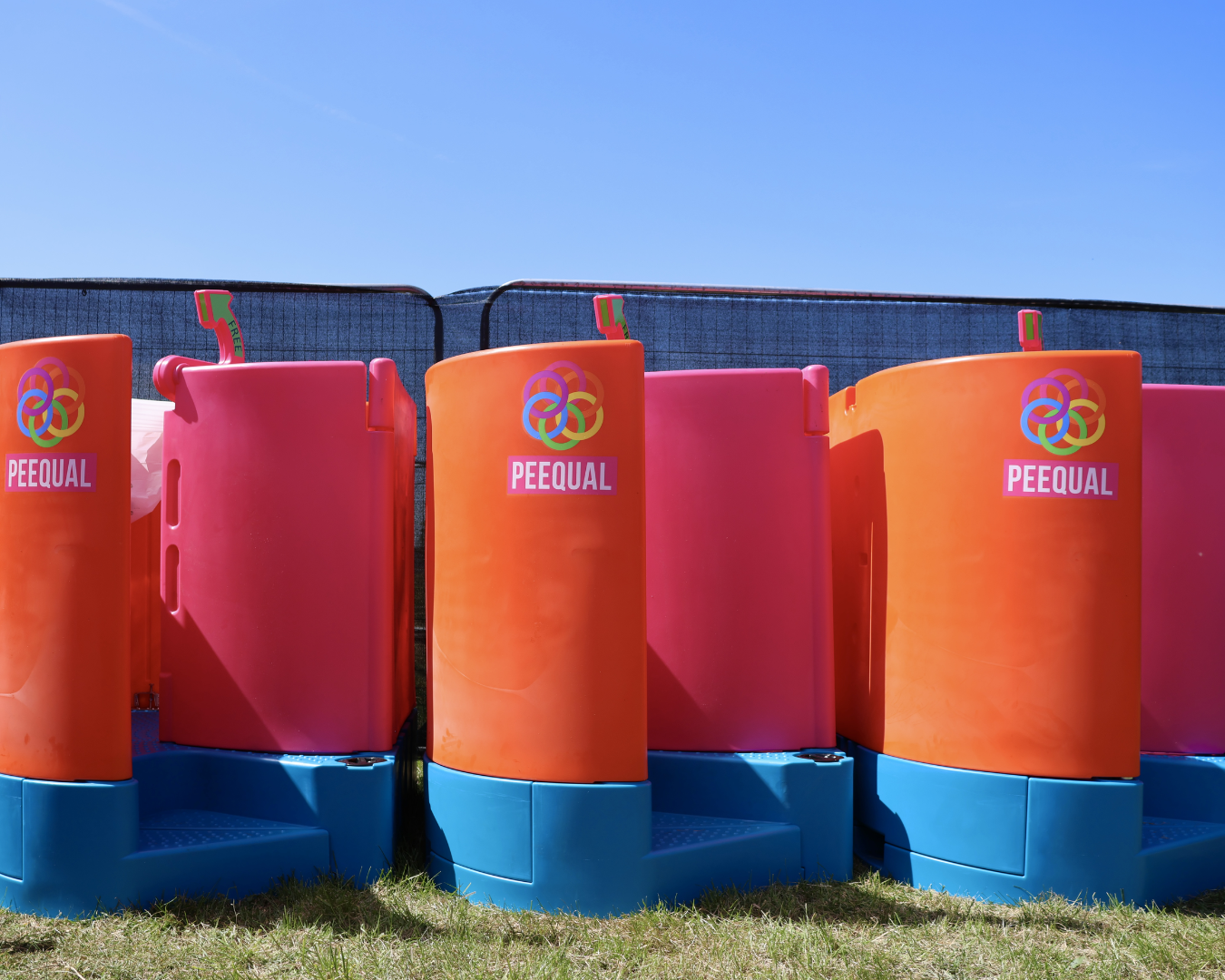
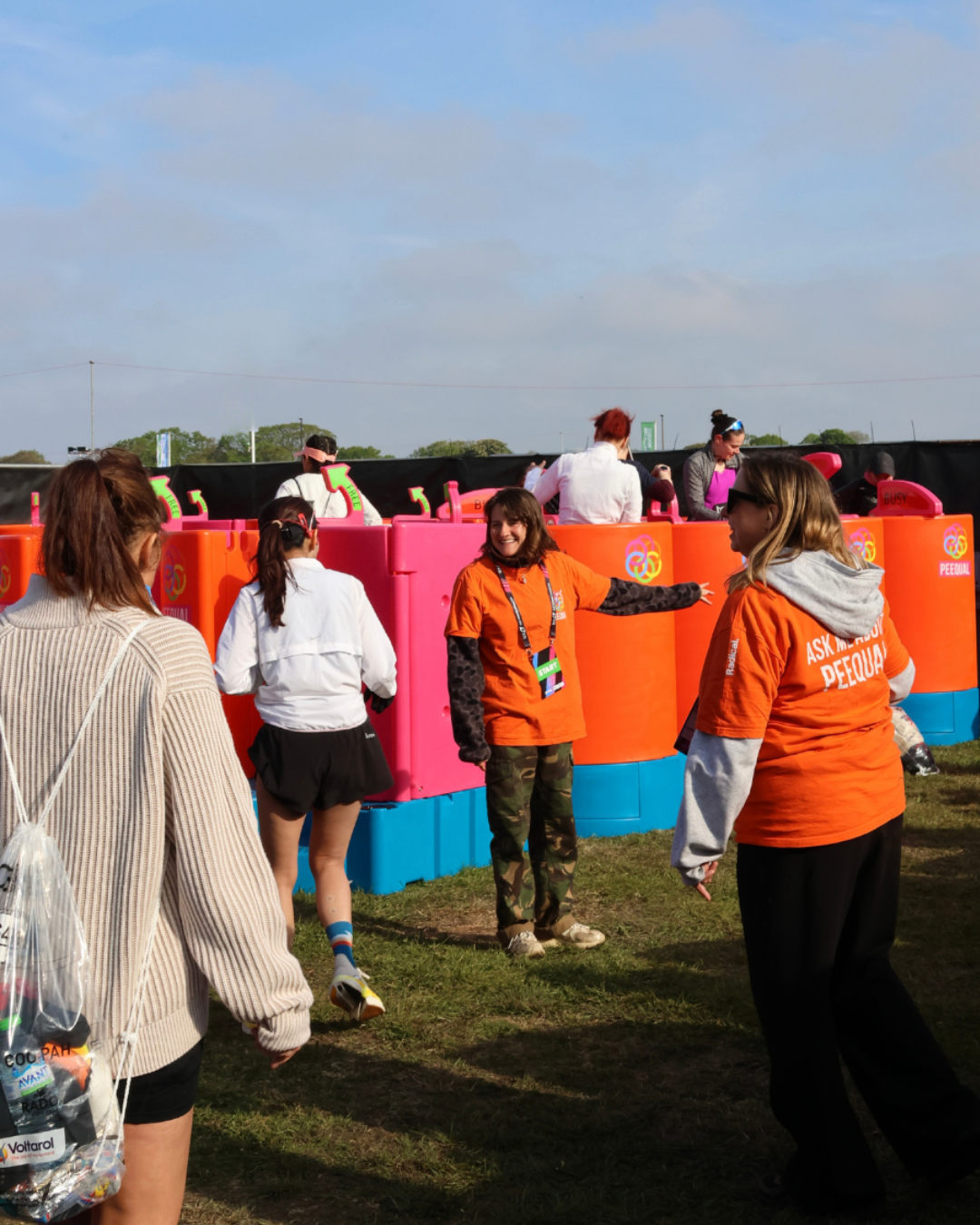
PEEQUAL has developed an innovative mobile urinal designed specifically for women, trans women and AFAB and non-binary people, addressing long-standing challenges in access to sanitation in public and event spaces. The solution combines inclusivity with practical usability, offering a system that is significantly faster to use than traditional portable toilets, helping to reduce waiting times in high-traffic environments. It is also designed with logistical efficiency in mind, supporting transport, installation and long-term deployment.
Designing for real-world use
At this stage of development, the project required a careful balance between functionality, durability and manufacturability. The product needed to perform reliably in demanding environments, while also being easy to transport, assemble and maintain.
Rotational moulding played a key role in achieving these objectives, enabling the production of durable, consistent components while supporting scalable manufacturing and key logistical features, including efficient transport and a flat-pack configuration. This allows up to 56 units to be transported on a 44 tonne artic lorry, significantly improving logistics efficiency, while also supporting faster installation and easier handling on-site.
However, preparing the design for production required more than manufacturing expertise alone. It required close collaboration between both teams.
Working together in practice
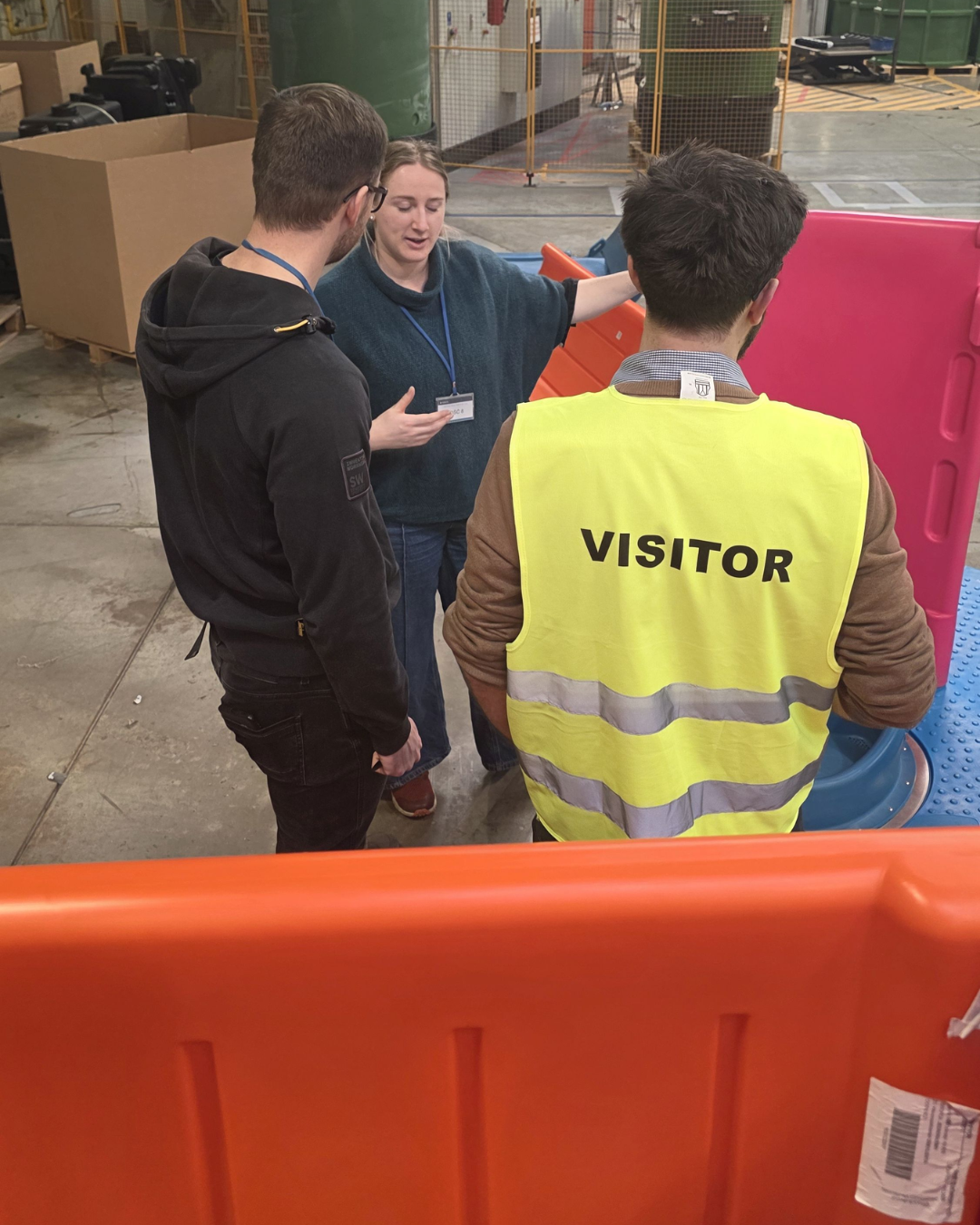
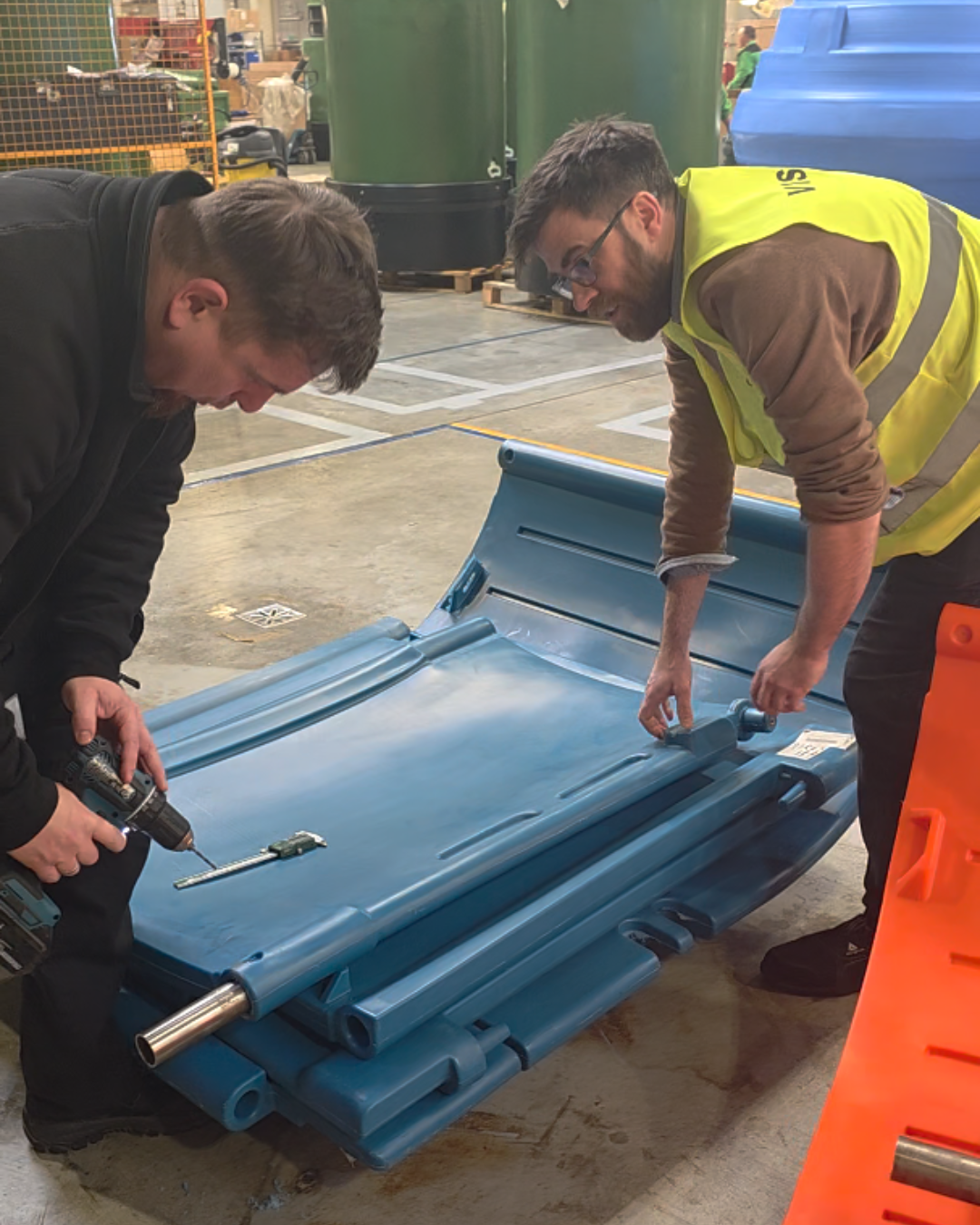
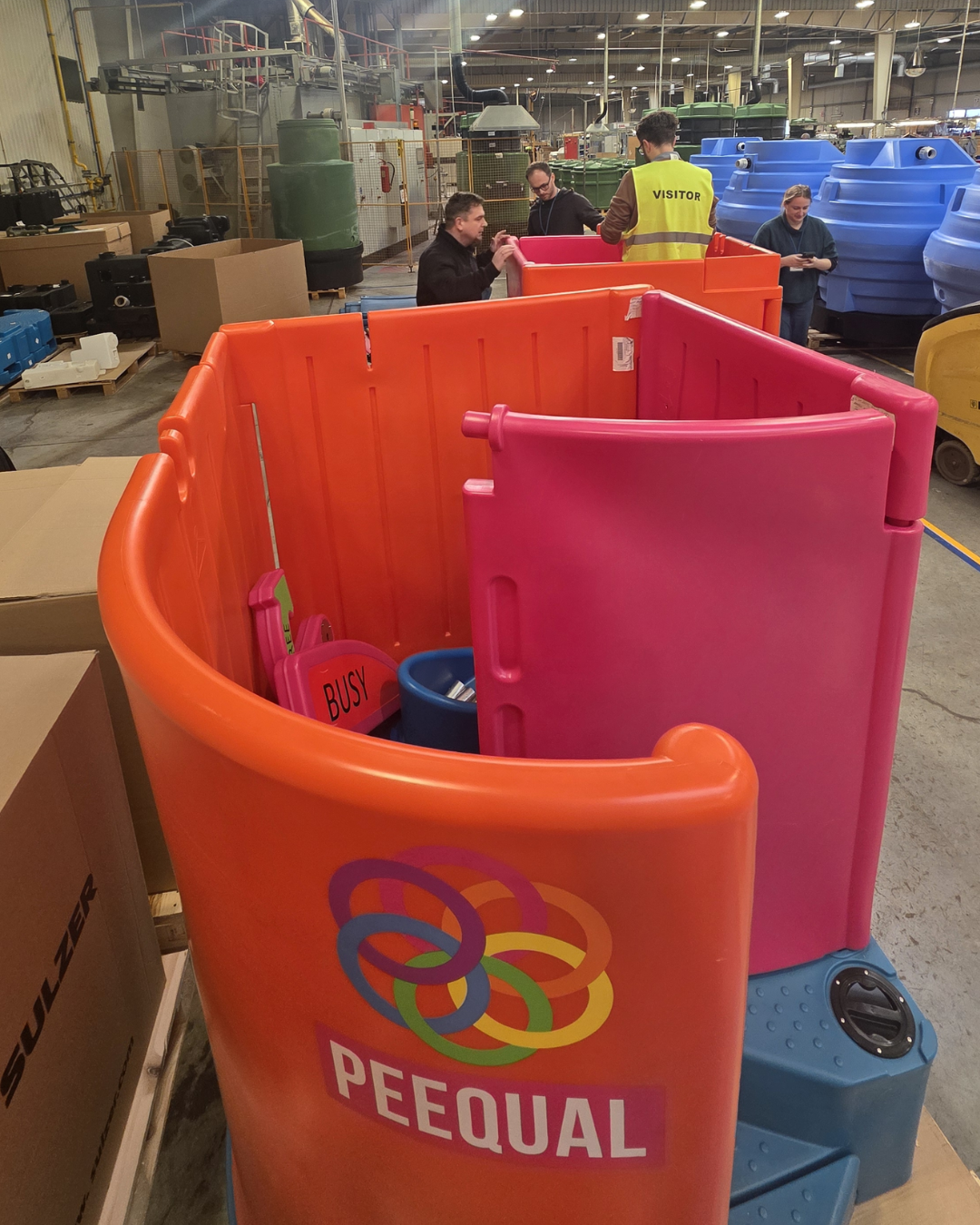
A key part of this stage of the development process involved direct, on-site cooperation at Rotovia Międzyrzecz. During multiple visits, the PEEQUAL team worked closely with our engineers and R&D specialists to evaluate the product in real production conditions.
Together, we carried out hands-on testing of assembly, stacking, lifting and overall fit. These sessions allowed both teams to assess how the product performs in practice and to refine details that are difficult to evaluate remotely.
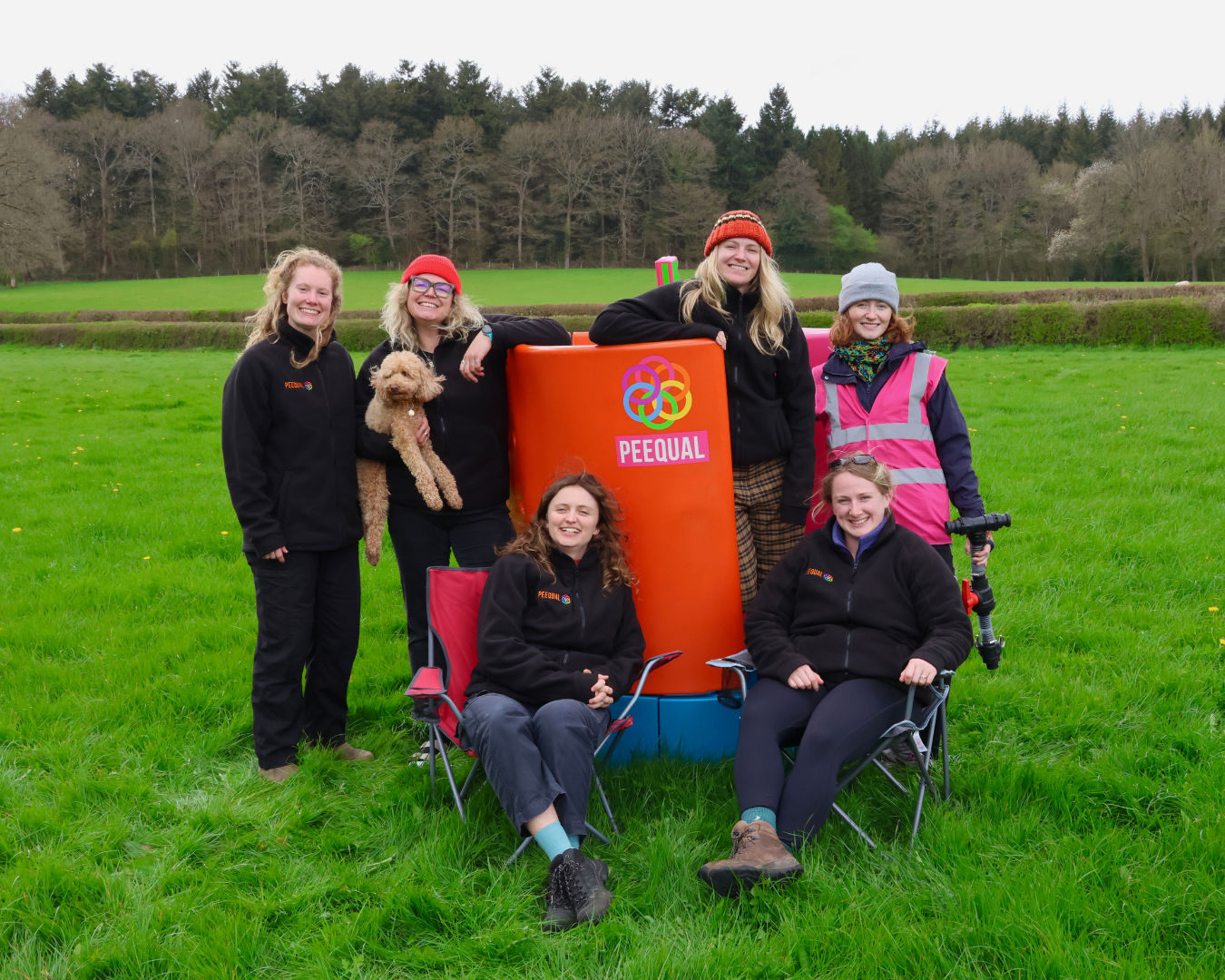
As Hazel McShane, co-founder of PEEQUAL, explains:
“It’s a complex product with a lot of moving parts, and Rotovia have been brilliant partners in making it happen. From detailed technical input to time spent together on-site, the collaboration has been hands-on and solutions-focused.”
From simulation to design optimisation
Alongside physical testing, engineering validation played an important role in the development process. Finite Element Analysis (FEA) was used to simulate real operating conditions and assess how key components behave under load.
The analysis covered critical scenarios such as user load, multiple users and transport conditions, helping to identify areas of higher stress and optimise the design accordingly.
As noted by Józef Klicki, Product Development Manager at Rotovia Międzyrzecz:
“From an engineering perspective, one of the key challenges was ensuring structural stability under different load scenarios – from individual use to transport and stacking. The FEA analysis allowed us to identify critical areas early and optimise the design before moving to mould manufacturing and physical testing of plastic parts.”
Through iterative improvements, the design was refined to enhance structural performance and reliability. In the updated design, stress levels and deformation were significantly reduced, and safety margins improved across tested scenarios.
This combination of simulation and practical validation helped ensure that the product is not only functional but also robust and ready for real-world use.
A shared approach to product development
What defines this project is not only the final product, but the way it has been developed. Open communication, flexibility and a shared focus on solving challenges have been key throughout the process.
As Amber Probyn, co-founder of PEEQUAL, highlights:
“We really appreciate Rotovia’s support and collaborative approach. They have been incredibly helpful whenever we’ve needed to pivot quickly, and meeting team members across different departments has shown how cohesive and collaborative they are as a business.”
A collaboration that brings ideas to life
With the product now introduced to the market, this project highlights the value of close collaboration throughout the development process.
From design validation and simulation to on-site testing and refinement, each step contributed to building a solution that meets both functional and operational requirements.
”Peequal project clearly shows how important early and close cooperation is when developing complex products. By working together throughout the development process, we empower our customers and support them in turning ideas into reliable and scalable solutions – fully aligned with Rotovia’s mission of bringing their ideas to life.” – Krzysztof Olek, Managing Director, Rotovia Międzyrzecz
This collaboration reflects how custom rotomoulding projects are most effective – as a shared journey between design, engineering and manufacturing.